
 +48 455 450 117
  Medical clothing manufacturer


Introduction
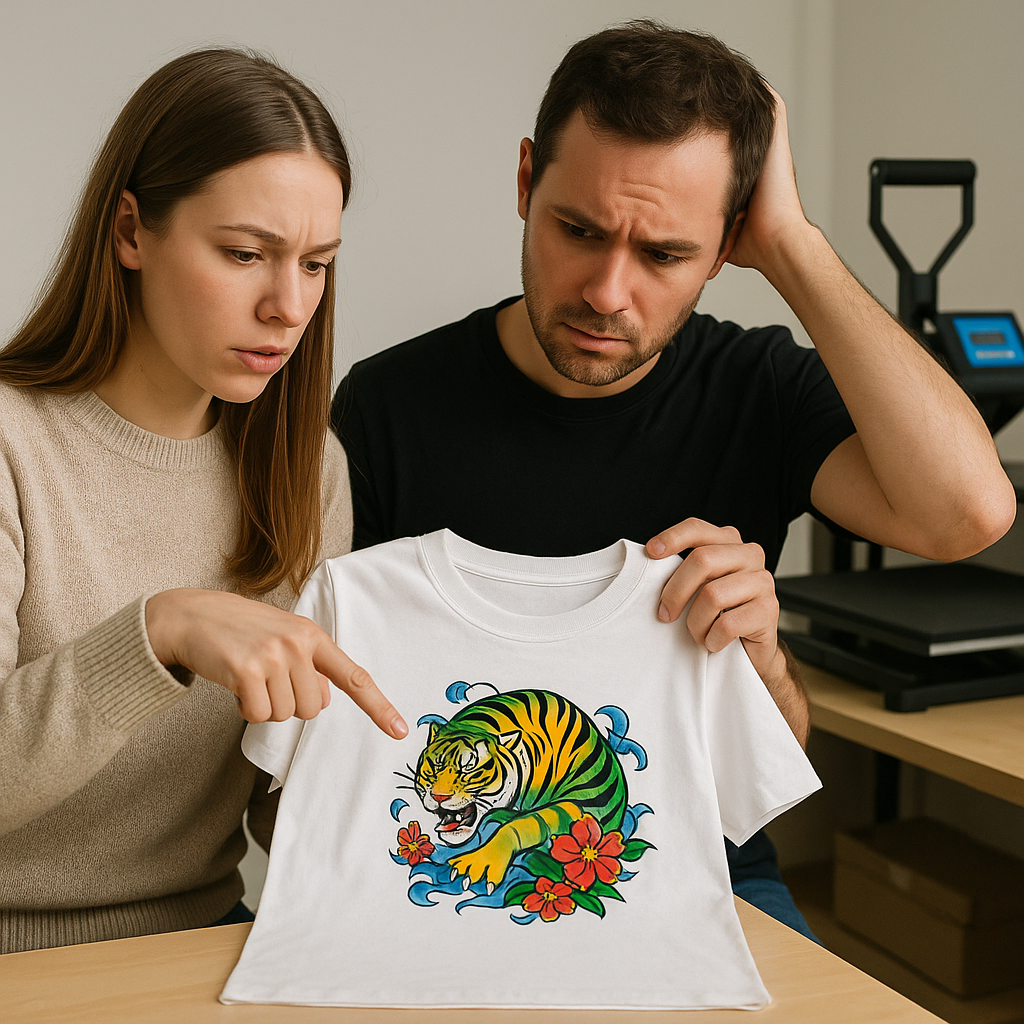
DTF (Direct to Film) printing is a rapidly growing method for applying prints, especially in medical and culinary apparel. However, improper graphic design preparation can lead to issues such as lines that are too thin or poor contrast, negatively affecting print quality. This article covers the most frequent mistakes in DTF designs and offers practical tips on how to avoid them to achieve durable and sharp prints.
Why Are Thin Lines a Problem?
Lines that are too thin in a graphic design are difficult to reproduce accurately in DTF printing. They may blur, break, or disappear entirely on the finished product, especially on fabrics with more absorbent textures.
How to Avoid This Issue?
- Minimum Line Thickness: Ensure lines are at least 0.3 mm thick. For detailed elements, increasing this thickness is recommended, particularly if the print will be applied to textured fabric.
- Work at Proper Resolution: Design at a minimum of 300 dpi to prevent detail distortion during printing.
- Print Testing: Before producing larger batches of medical clothing with DTF prints, perform test prints to verify line parameters.
Poor Contrast in Designs – Common Causes
Contrast between design elements is crucial for print readability. Insufficient contrast may cause the print to appear blurry or hard to read, especially on colored fabrics.
How to Improve Contrast?
- Color Selection: Use colors with a strong difference in brightness—light colors on dark backgrounds or vice versa.
- Use Outlines: Adding clear outlines to graphic elements enhances their visibility against various backgrounds.
- Thoughtful Color Palette: Avoid adjacent similar shades that visually blend together.
Additional Tips for Designing for DTF
- Color Correction in File Preparation: Set color profiles and adjust colors to ensure print hues match expectations.
- Avoid Small Details: Very small elements may not print well; consider simplifying them.
- Material Choice: Some fabrics work better with DTF technology—learn about available options, such as medical clothing with DTF prints at ModernCompany.uk.
Conclusion
Preparing designs for DTF printing requires attention to line thickness, good contrast, and minimum file resolution. Following these guidelines helps avoid the most common errors that affect print quality. We encourage you to explore our selection of medical apparel and DTF print services available at ModernCompany.uk – DTF prints on medical clothing, where you’ll find professional support to realize your projects.
 Log in with Facebook
 Log in with Google