ON THE OCCASION OF WOMEN'S DAY | -10% ON EVERYTHING | CODE: 8MARCA

Kontakt do sklepu modernbhp - odzież medyczna +48 455 450 117 +48 455 450 117
Polski producent odzieży medycznej, gastronomicznej i laboratoryjnejMedical clothing manufacturer
Close search engine Clear Search
Products in the cart: 0. See details

Your cart is empty

PL Polski
Skip filters

Filters

Price
Close Price filter settings
Cancel Apply filters
Vendor
Close Vendor filter settings
Vendor More options (1)
Cancel Apply filters
End of filters

SEASON HIT

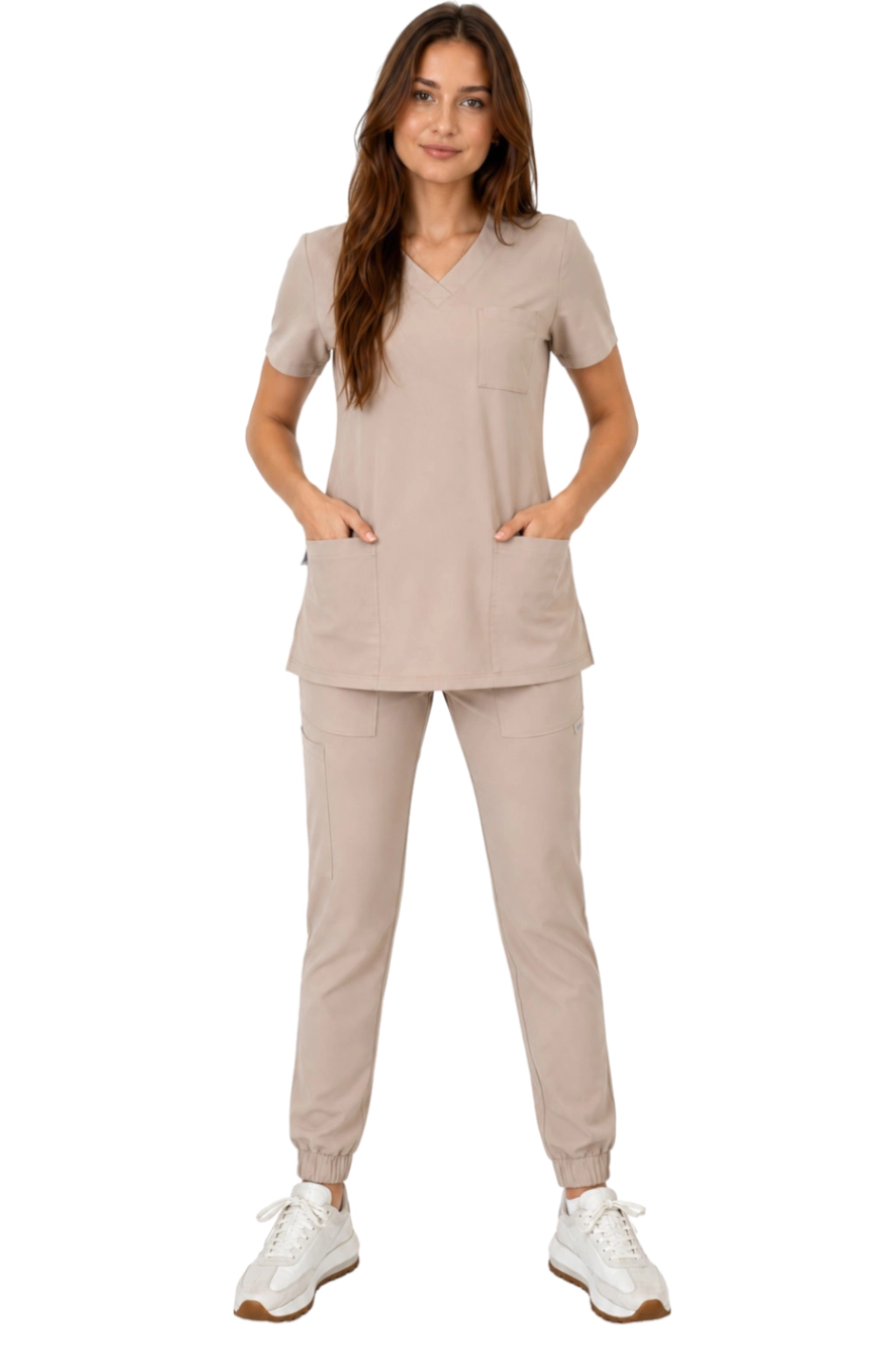
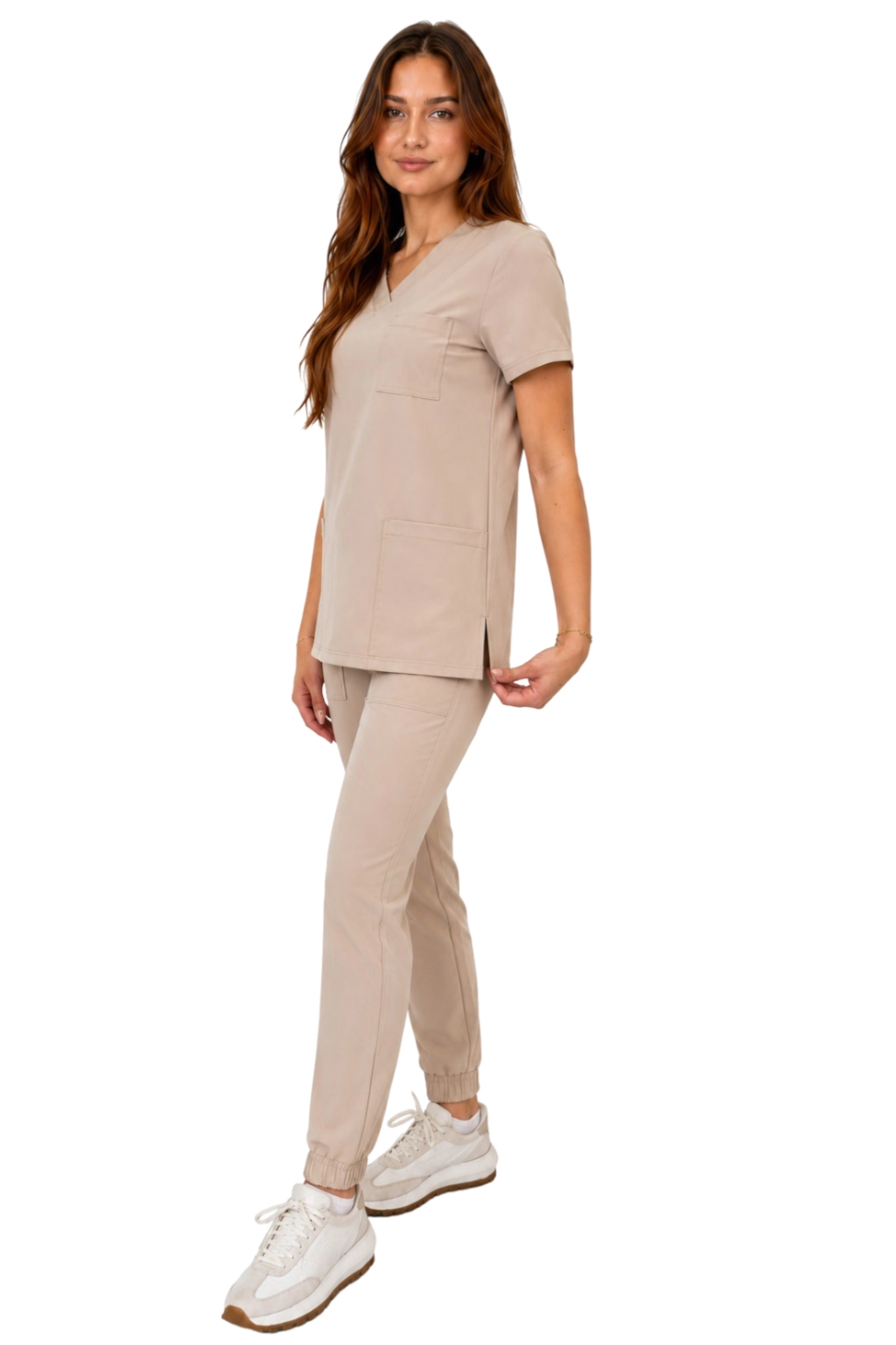
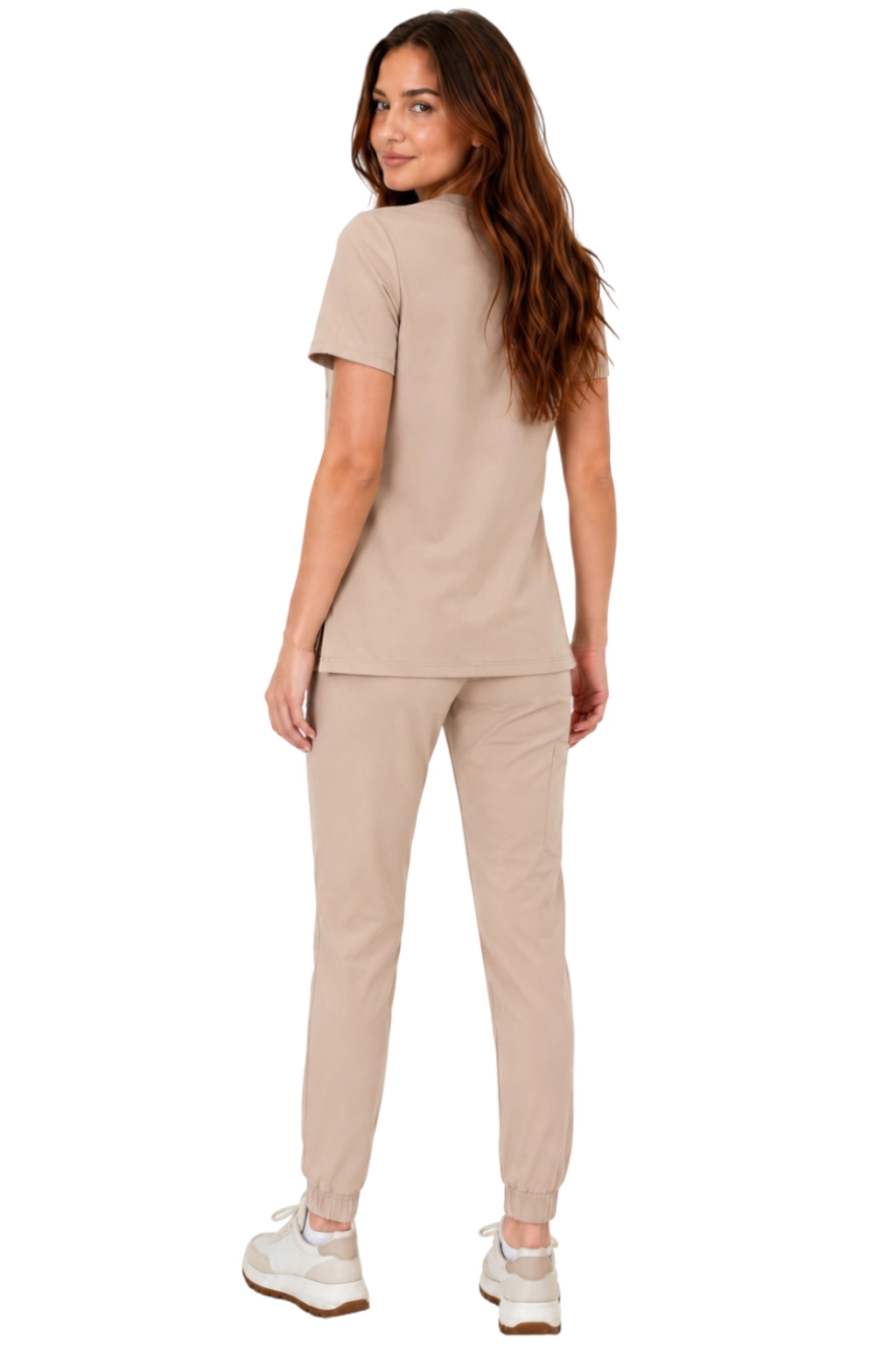
Beige women's medical set - CASUAL PREMIUM scrubs

Select XS S M L XL XXL 3XL
Price £60.00

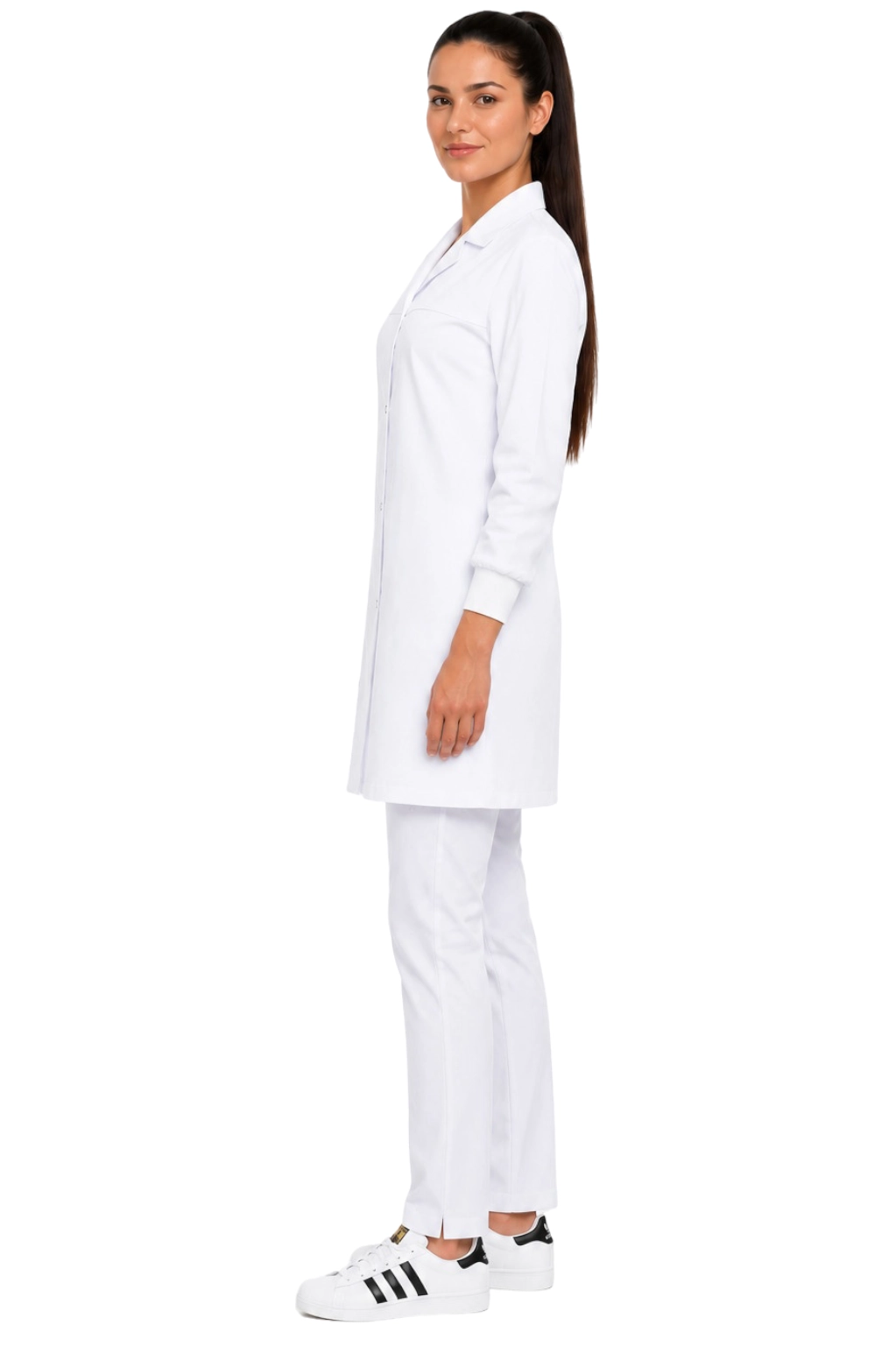
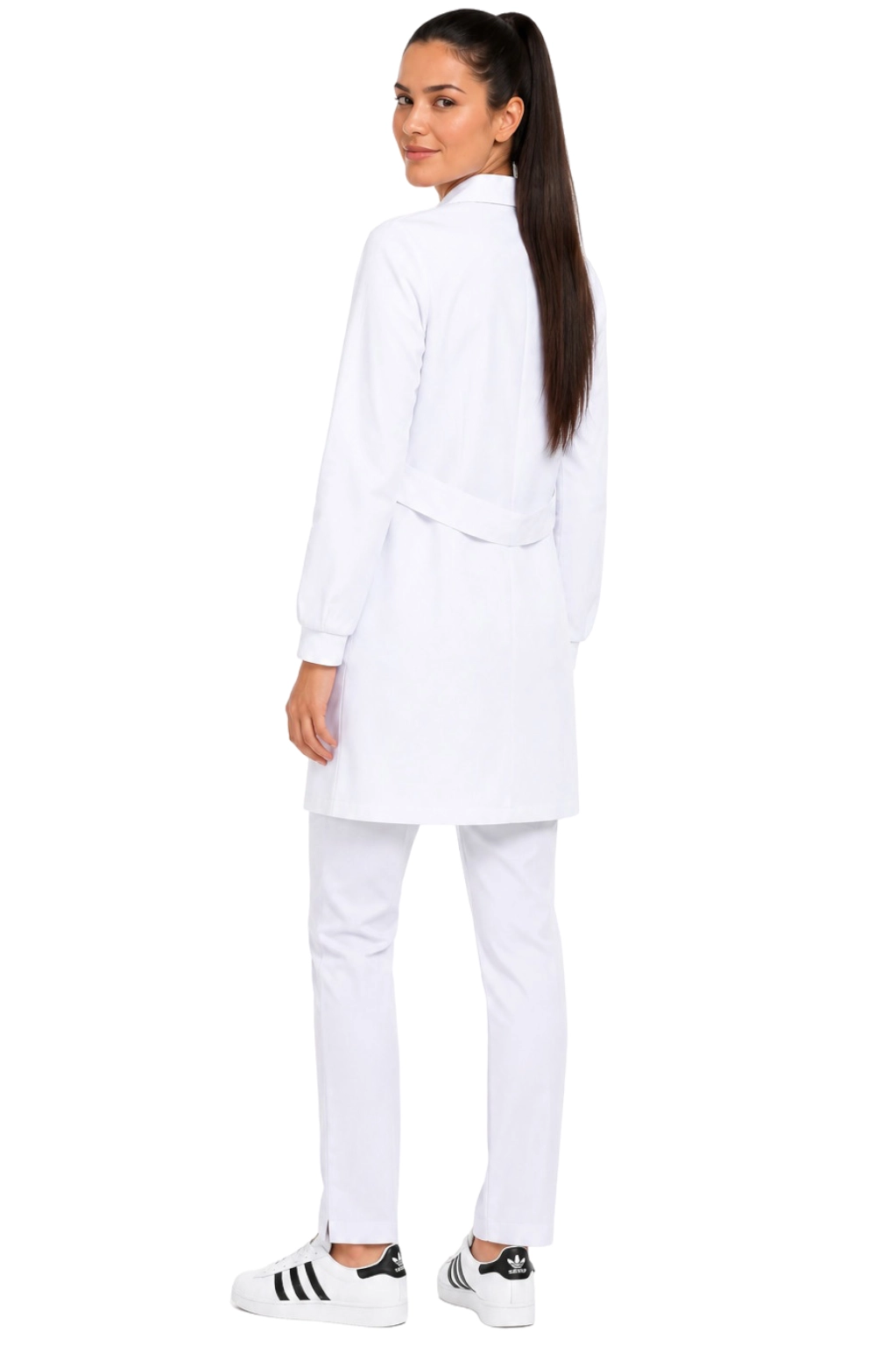
Women's snow-white laboratory apron with snaps

Select S M L XL XXL
Price £17.50

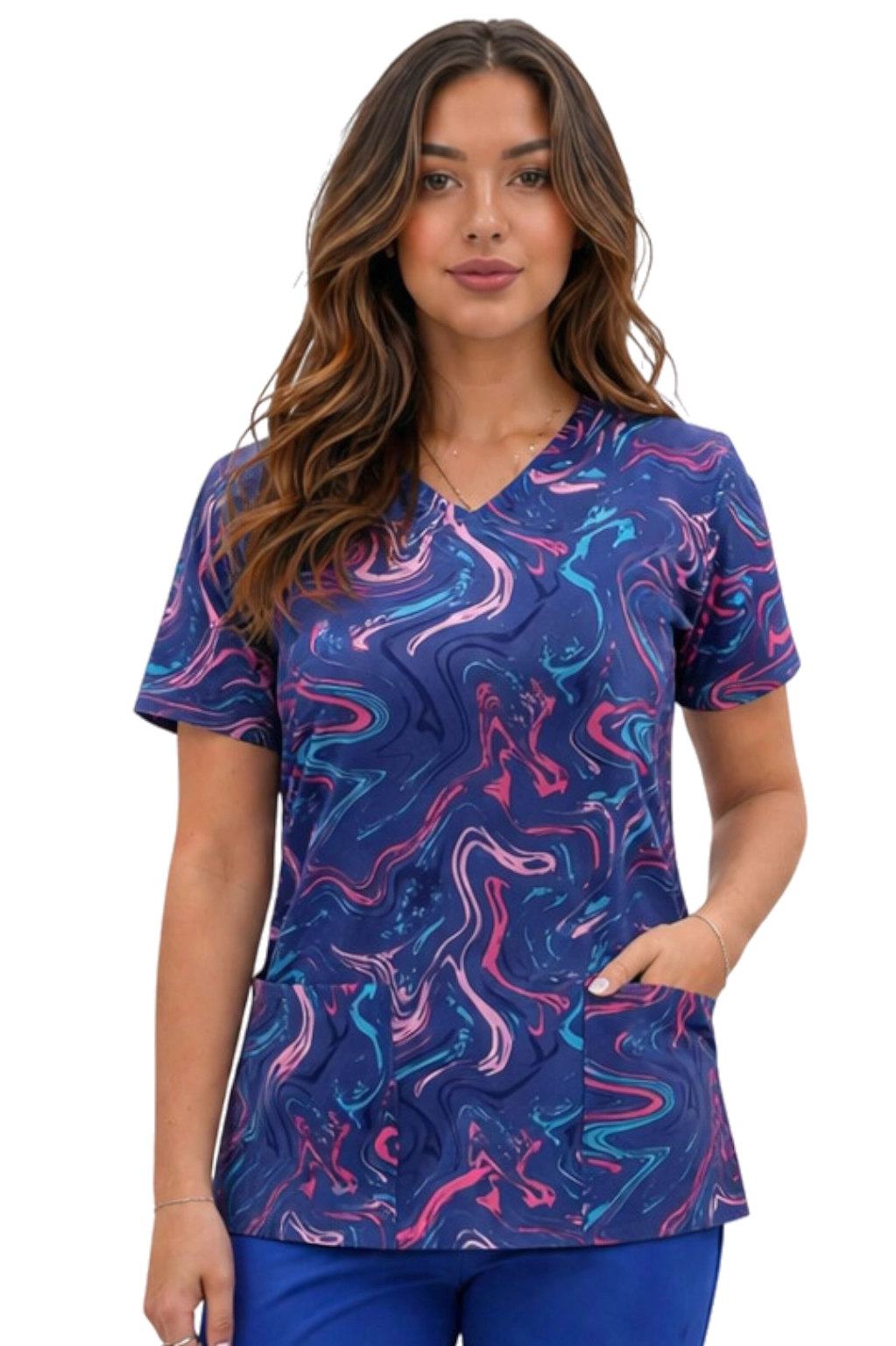
Medical blouse with a pattern, 100% stretch cotton - pattern W14

Select XS S M L XL XXL 3XL 4XL
Price £20.00

Women's cooking shoes

Products: 11

Women’s Chef Shoes – Professional Footwear for the Catering Industry and Work in Demanding Conditions

Our women’s chef shoes are professional footwear designed for intensive work in the kitchen, catering, and food service. They utilize technologies known from the best-selling medical and work models – categories that are of great interest in search engines. This allows us to offer comfortable, slip-resistant, lightweight, and durable women’s shoes that protect feet during long shifts while also enhancing safety on slippery surfaces.

Why do our women’s chef shoes improve work comfort?

Analysis of queries in Google Search Console shows that users are primarily searching for women’s work shoes, medical footwear, slip-resistant shoes, and lightweight shoes for standing work. That’s why our models combine features that truly impact comfort and safety in the catering industry:

✔ Slip-resistant SRC Sole

In a professional kitchen, the floor can be wet, greasy, and hazardous. That’s why our women’s kitchen shoes have a certified slip-resistant sole, which is also appreciated by medical staff and laboratory workers.

✔ Ultralight and Flexible Designs

High search volumes for phrases like “lightweight women’s work shoes” or “lightweight medical footwear” clearly show one thing: comfort is a priority. Our chef shoes are designed so that feet do not tire even during 8–12 hours of work.

✔ Breathable Materials Resistant to Moisture

The catering industry is a place full of steam, moisture, and temperature. That’s why we use ventilated yet water-resistant materials that protect feet from overheating, ensuring comfort throughout the day.

✔ Easy to Clean and Stain Resistant

Hygiene is essential in the kitchen. Our women’s catering footwear is made from materials that are easy to keep clean – a quick wipe is all it takes to make them look as good as new.

Who are the women’s chef shoes intended for?

They are perfect for:

  • cooks and kitchen assistants,
  • chefs and sous-chefs,
  • staff in catering and food service,
  • pastry chefs and bakers,
  • bar staff, food truck workers, and restaurant employees,
  • people who work many hours standing.

Connection to Medical Footwear – Why Does It Work?

Our data from GSC shows that medical phrases generate a very high CTR, which is why we have introduced footwear that uses identical technologies: cushioning, slip-resistance, lightweight, and stability. This makes women’s chef shoes a great choice not only for the catering industry but also for the beauty sector, laboratories, and retail.

FAQ – Most Common Questions About Women’s Chef Footwear

What shoes work best in the kitchen?

The best models will have a slip-resistant sole, ventilation, and lightweight construction. It’s also worthwhile to choose footwear that is easy to keep clean and moisture-resistant.

Are chef shoes different from medical shoes?

Both types of shoes share many common features: lightness, cushioning, slip-resistance, and comfort. The difference lies in their resistance to fats and spills – chef models are better suited to catering conditions.

Do women’s kitchen shoes need certifications?

Yes, the SRC certification, which guarantees maximum slip resistance, is particularly important. It’s one of the key factors when choosing catering footwear.

How to choose the size of chef shoes?

It’s best to choose a size that corresponds to your foot length. If you’re between two sizes, choose the larger one, as feet may swell during work.

  • How to Plan Medical Workwear for the Upcoming Year

    Planning medical workwear for the upcoming year involves assessing current needs, updating uniforms for compliance, and ensuring comfort and functionality. Start by evaluating existing inventory and identifying requirements for different roles and seasons. Then, prioritize selecting durable, easy-to-clean materials that align with medical standards. Account for staff feedback to enhance satisfaction and performance. A well-planned wardrobe contributes to professionalism and safety in healthcare settings.

    Read more
  • Top Medical Clothing Choices for All-Year Wear – 2026 Review

    Choosing the best medical clothing for year-round use requires balancing comfort, durability, and style. In 2026, medical professionals prioritize breathable fabrics, easy-care materials, and versatile designs that adapt to varying temperatures and work demands. This review summarizes the top picks in medical apparel, focusing on materials, fit, and practicality to help you select clothing that supports long shifts and enhances professionalism regardless of the season. Key aspects include moisture-wicking fabrics, layered options, and ergonomic tailoring that meet the needs of healthcare environments all year long.

    Read more
  • Medical Clothing for Holiday Shifts – Comfort Matters

    Medical clothing plays a crucial role during holiday shifts, where comfort directly impacts healthcare professionals' performance and well-being. Choosing the right apparel made from quality materials ensures ease of movement, breathability, and durability during extended hours. This article outlines essential parameters for selecting medical uniforms for festive duty, highlights common mistakes to avoid, and provides recommendations to optimize comfort and functionality. With proper clothing, medical staff can maintain focus, reduce fatigue, and deliver better patient care during busy holiday periods.

    Read more
  • How to Prepare Medical Clothing for Winter Conditions

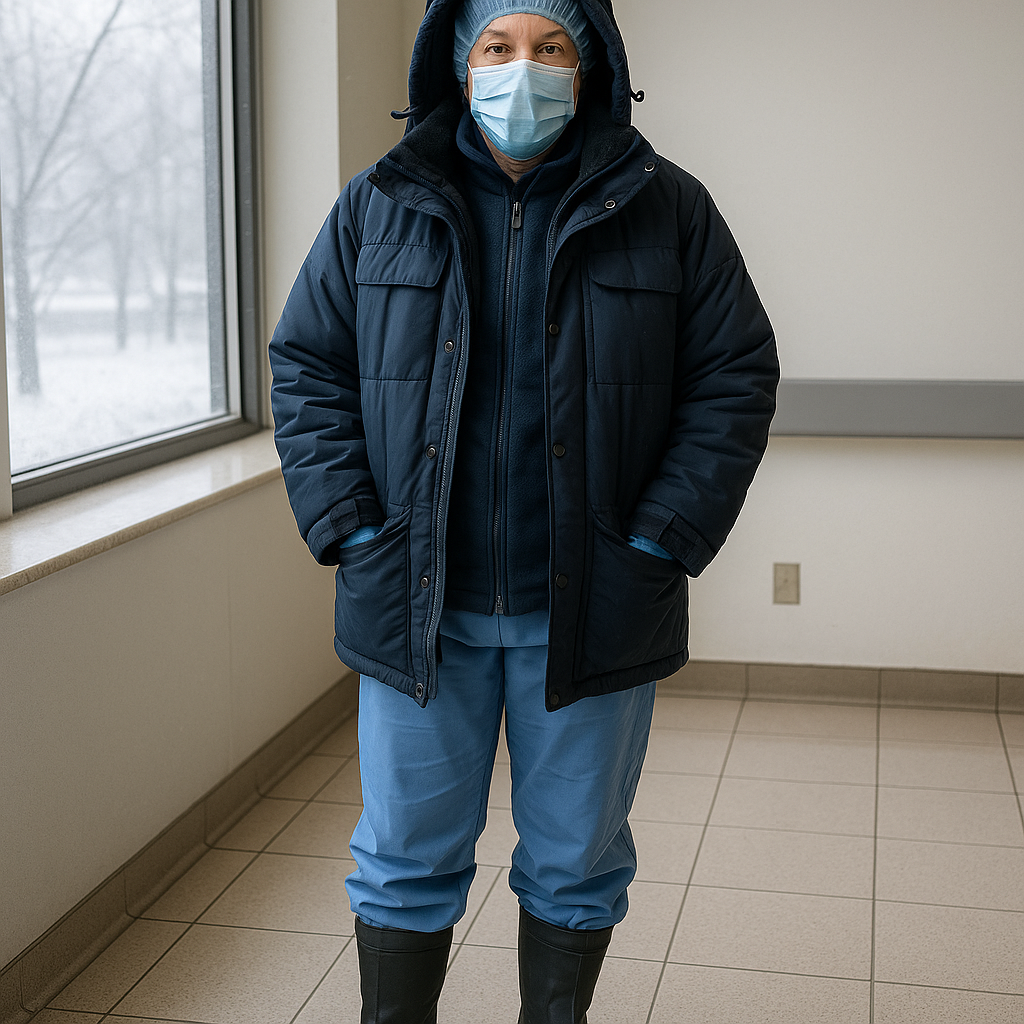
    Preparing medical clothing for winter conditions requires selecting appropriate materials that provide insulation while remaining breathable and durable. Key steps include layering garments, choosing fabrics with moisture-wicking properties, and ensuring protection against harsh weather to maintain comfort during long shifts. Proper winter medical attire enhances functionality and safety, preventing cold-related health issues and maintaining hygiene standards in clinical settings.

    Read more
  • Medical Clothing as an Element of Employer Branding

    Medical clothing plays a crucial role in employer branding by enhancing the professional image and unity of healthcare teams. Properly designed and chosen medical uniforms foster a sense of belonging among employees, improving morale and retention. Additionally, medical clothing serves as a visual representation of a healthcare organization's values and commitment to quality care, making it an effective tool for attracting and retaining talent in a competitive market.

    Read more
  • Which Medical Clothing Models Are the Most Versatile?

    The most versatile medical clothing models include classic scrubs, lab coats, and medical sets designed for both comfort and adaptability in various healthcare settings. These garments typically feature durable, easy-care fabrics and practical designs, allowing healthcare professionals to perform a wide range of duties effectively. Choosing versatile models provides benefits such as ease of movement, professional appearance, and suitability for multiple medical roles.

    Read more
  • How to Optimize Medical Clothing Costs in a Facility

    Optimizing medical clothing costs in a healthcare facility involves strategic planning and efficient management. Start by assessing current expenses and usage patterns, then focus on selecting durable, cost-effective materials and reliable suppliers. Implement inventory management to reduce waste and consider staff feedback to balance comfort and budget. Regularly review contracts and explore bulk purchasing discounts. By following these steps, facilities can reduce expenses while maintaining quality and compliance with health standards, ensuring both financial savings and staff satisfaction.

    Read more
  • Medical Clothing and Intensive Use – When Replacement Is Necessary

    Medical clothing worn intensively must be replaced regularly to maintain hygiene, safety, and professional appearance. The frequency of replacement depends on the type of material, usage conditions, and visible wear signs such as stains, tears, or loss of protective properties. Clothing that no longer meets medical standards or hinders comfort and mobility should be exchanged promptly to ensure effective protection for healthcare workers and patients. Maintaining a replacement schedule reduces infection risks and supports compliance with workplace regulations.

    Read more
  • Is It Worth Buying Medical Clothing in Sets?

    Purchasing medical clothing in sets is often a practical and economical choice. It ensures uniformity in appearance, saves time on coordinating separate pieces, and can be more cost-effective. Sets typically include complementary items such as tops and pants, made from materials suited for medical environments. When selecting medical clothing sets, consider fabric quality, comfort, durability, and ease of maintenance. Overall, buying in sets offers convenience, a professional look, and can simplify procurement for healthcare professionals.

    Read more
  • How to Plan Medical Clothing Purchases in Advance

    Planning medical clothing purchases in advance ensures proper budget management, timely availability, and appropriate selection for healthcare professionals. Begin early by assessing current inventory, forecasting needs based on staff size and seasonal changes, and researching suppliers. A checklist approach helps avoid mistakes such as last-minute buying or poor-quality selections. Considering materials, fit, and compliance standards guarantees both comfort and safety. Early planning also allows time for customization or bulk ordering, ensuring uniforms meet workplace demands. Stay organized, adhere to procurement policies, and maintain open communication with suppliers for a smooth purchasing process.

    Read more
  • Medical Clothing for Working with Long-Term Patients

    Medical clothing designed for professionals working with long-term patients is essential for comfort, hygiene, and safety. These garments must be durable, breathable, and easy to clean to withstand extended use and frequent washing. Proper medical attire helps protect both healthcare workers and patients by reducing the risk of contamination and supporting mobility during physical caregiving tasks. Choosing the right materials and features enhances the caregiver's efficiency and ensures compliance with health standards. In summary, specialized medical clothing for long-term care combines practical utility with professional appearance, ensuring a safe and comfortable work environment.

    Read more
  • How to Prepare Staff for the Infection Season – Including Clothing Considerations

    Preparing staff for the infection season requires both practical measures and appropriate clothing choices to ensure safety and comfort. Proper protective clothing reduces infection risks while maintaining ease of movement and durability. This involves selecting suitable materials, layering options, and hygiene practices aligned with workplace demands. Addressing these factors equips personnel to face infection risks effectively, promoting health and operational continuity.

    Read more
  • Common Questions About Medical Clothing Durability

    Medical clothing durability depends largely on fabric quality, proper maintenance, and usage conditions. The most common questions revolve around how long medical garments last, what factors affect their wear and tear, and the best practices to extend their lifespan. Understanding the materials used and following specific care instructions can significantly improve the longevity of medical apparel, providing both comfort and cost-effectiveness for healthcare professionals.

    Read more
  • Medical Clothing and Body Immunity – Does Attire Matter?

    Medical clothing plays a crucial role in protecting healthcare professionals and can indirectly support the body's immunity by preventing contamination and infections. Wearing proper medical attire ensures a hygienic environment, reducing exposure to harmful pathogens. This article explores how materials, design, and correct usage of medical clothing contribute to both professional safety and overall immune protection. Choosing breathable, antimicrobial fabrics and ensuring frequent cleaning help maintain high protective standards. Additionally, avoiding common mistakes like prolonged use of contaminated garments will optimize safety for both healthcare workers and patients.

    Read more
  • Layered Medical Clothing – How to Plan It Well?

    Layered medical clothing is essential for healthcare professionals to ensure comfort, protection, and adaptability throughout their shifts. To plan an effective layered wardrobe, prioritize breathable and moisture-wicking fabrics for inner layers, protective yet flexible outer layers, and consider the specific medical environment and tasks. A good layered outfit enhances safety, complies with hygiene standards, and supports ease of movement. Begin by assessing your workplace requirements, temperature variations, and personal comfort needs, then build layers that balance functionality and professionalism.

    Read more
  • Layered Medical Clothing – How to Plan It Well?

    Layered medical clothing is essential for healthcare professionals to ensure comfort, protection, and adaptability throughout their shifts. To plan an effective layered wardrobe, prioritize breathable and moisture-wicking fabrics for inner layers, protective yet flexible outer layers, and consider the specific medical environment and tasks. A good layered outfit enhances safety, complies with hygiene standards, and supports ease of movement. Begin by assessing your workplace requirements, temperature variations, and personal comfort needs, then build layers that balance functionality and professionalism.

    Read more

    Clothing with your own custom print?

    Create your unique look, your own logo or text – only in our store!

    Medical clothing with custom print

    Clothing with your own print?

    Create your unique look, your own logo, text – only in our store!

    SEZON WIOSNA 2024

    STYLOWOŚĆ W KAŻDYM SZWIE