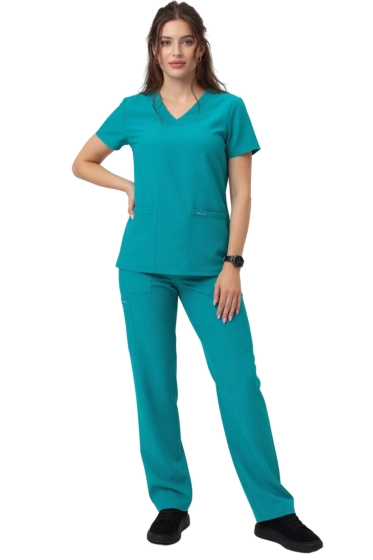
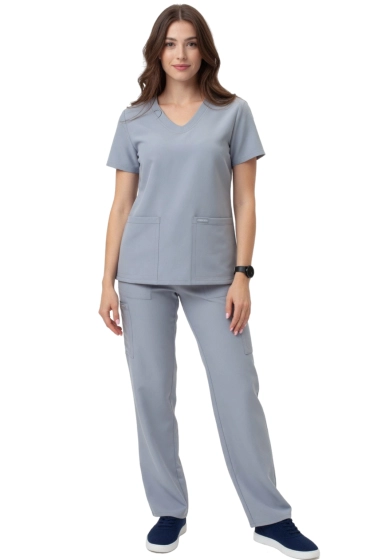
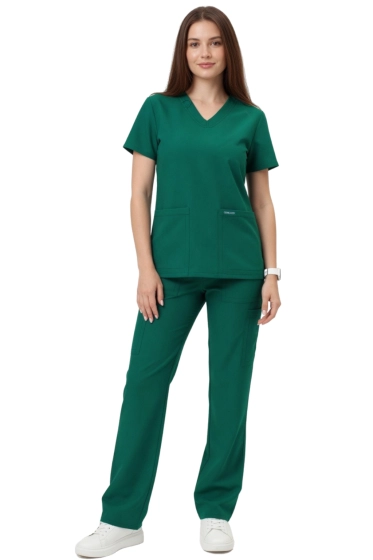
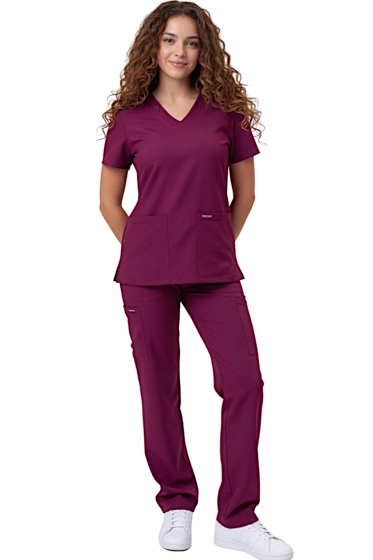
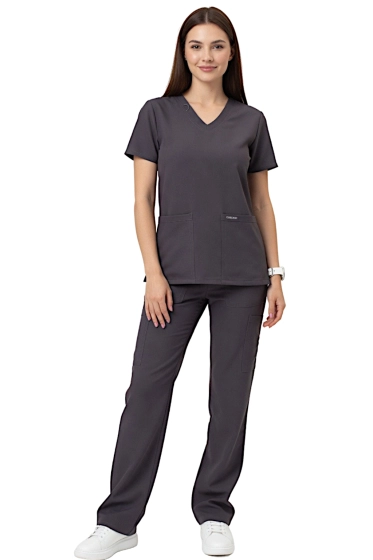
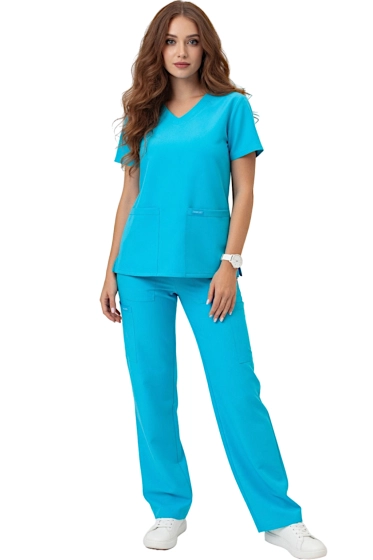
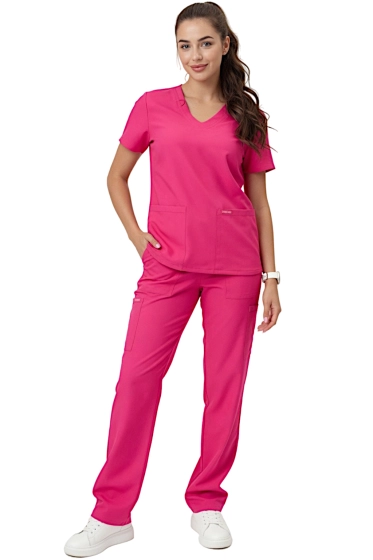
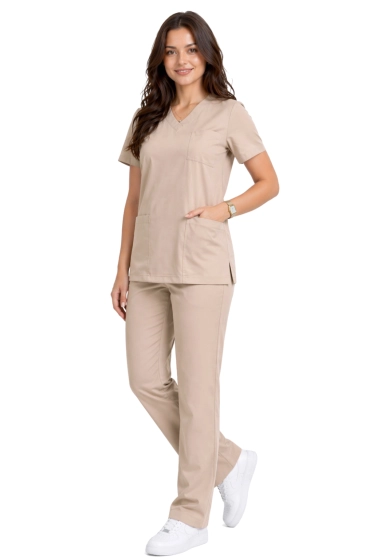
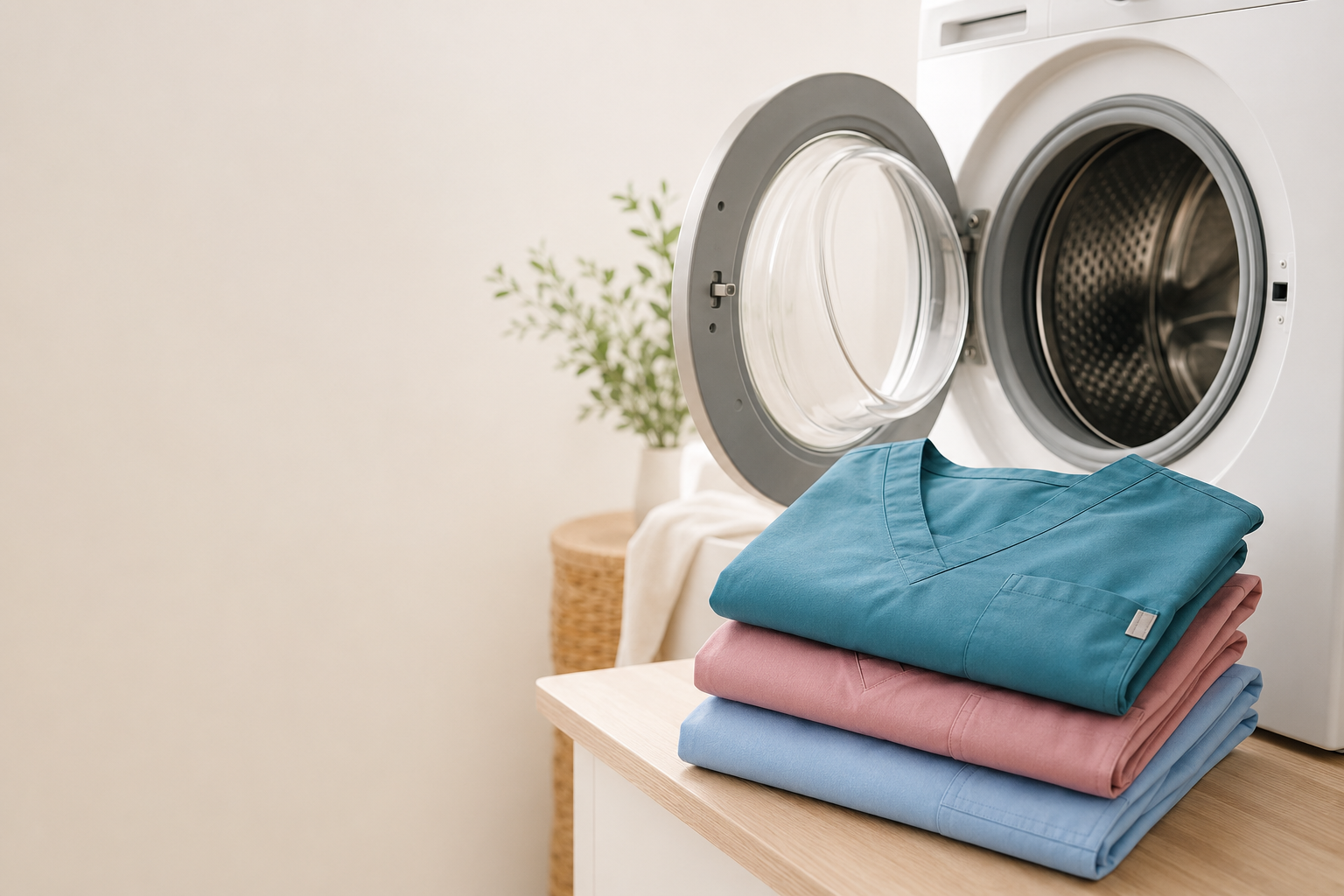
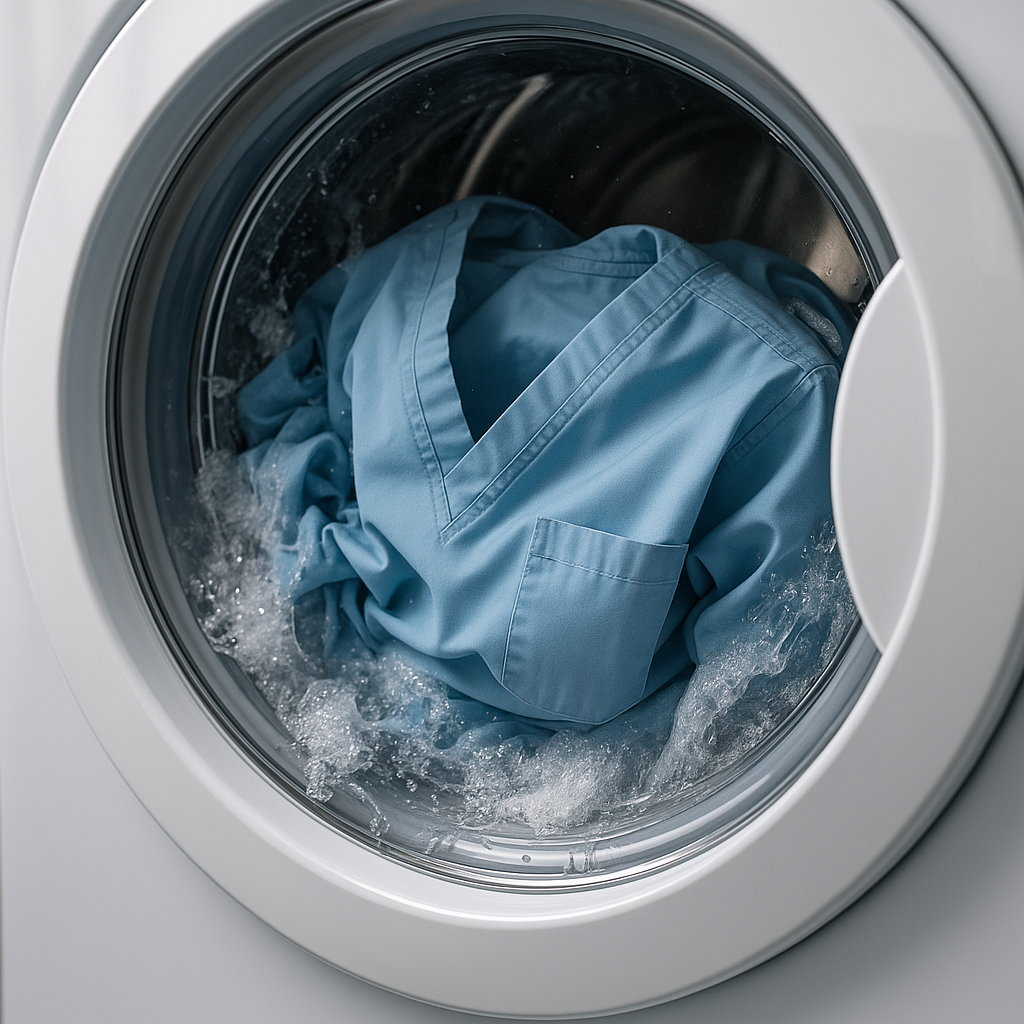
One medical uniform is generally not enough for an entire work week due to hygiene and comfort concerns. Healthcare professionals should change into clean clothing daily to prevent contamination and maintain professional appearance. Key factors include fabric durability, breathability, and ease of laundering. Proper maintenance of medical attire supports infection control, reduces wear, and ensures compliance with workplace standards. Planning for multiple sets and using appropriate materials helps optimize work efficiency and safety.
Is One Medical Uniform Enough for a Full Work Week?
Medical Clothing for Mixed Teams – How to Maintain Consistency?
Maintaining uniformity in medical clothing for mixed teams involves choosing harmonized colors, styles, and fabrics that meet different roles and preferences. A coordinated approach boosts team identity, professionalism, and patient confidence. Key elements include selecting versatile materials, standardized color palettes, and adaptable designs to fulfill diverse needs while ensuring a unified appearance across various medical personnel.
How to Assemble Medical Attire for Hot Weather
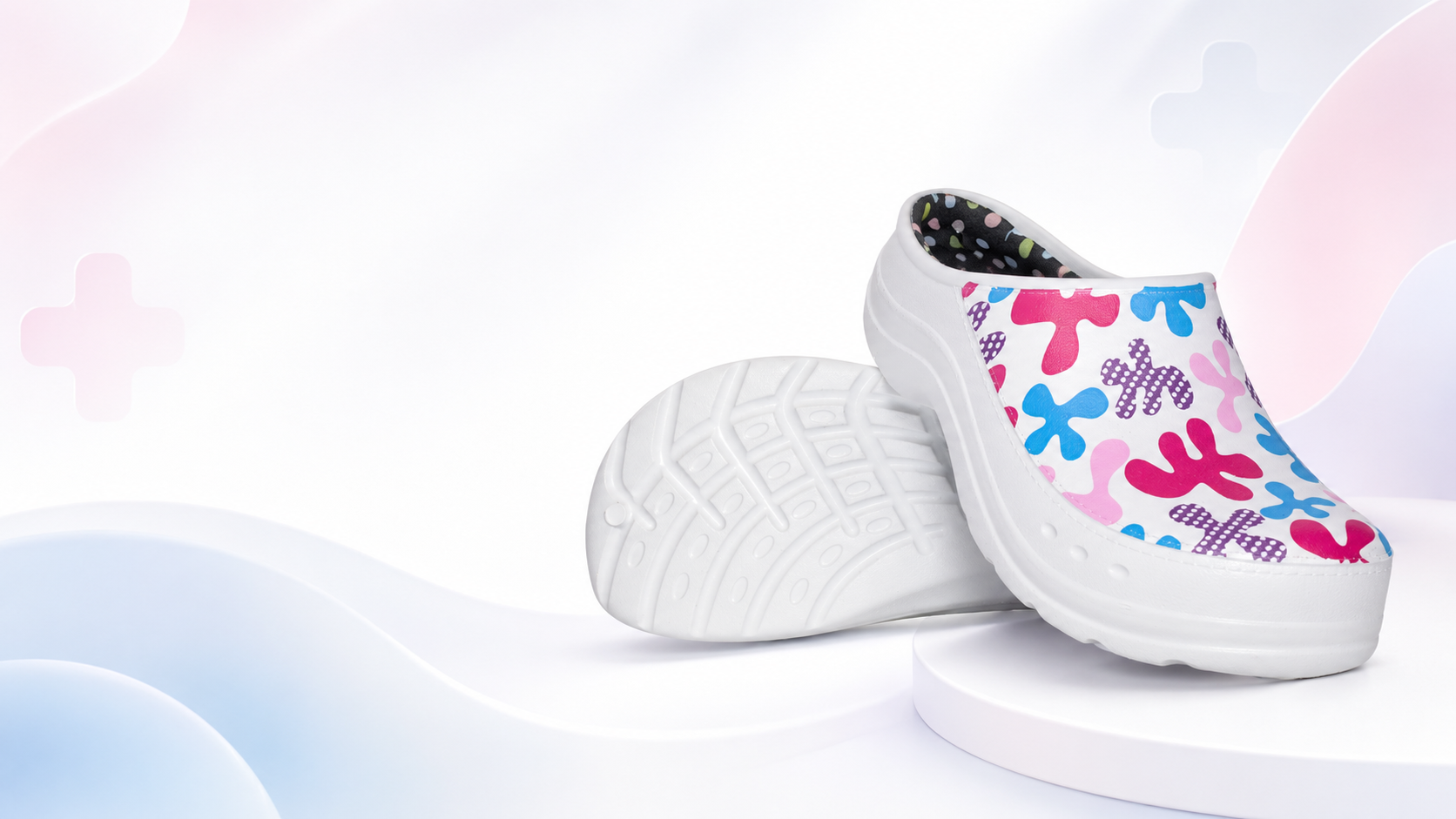
Choosing the right medical attire for hot days requires selecting breathable, lightweight fabrics that ensure comfort and hygiene. Opt for moisture-wicking materials that allow air circulation and quick drying to reduce heat stress during long shifts. Prioritize performance scrubs and tops made from cotton blends or technical fabrics designed for warm environments. Additionally, consider loose fitting and light colors to reflect sunlight and keep cool. Proper footwear and accessories that promote ventilation and don’t trap heat are equally important to maintain comfort throughout the workday in hot conditions.
Medical Clothing for Fieldwork – What Should Mobile Healthcare Staff Wear?
Mobile healthcare staff require specialized medical clothing designed for comfort, safety, and practicality in diverse environments. Essential items include breathable and durable scrubs, protective outerwear like waterproof aprons, sturdy footwear, and accessories such as medical caps and gloves to ensure hygiene and mobility. Clothing must accommodate rapid movements and unpredictable weather, supporting prolonged outdoor work while maintaining professionalism and protection. Prioritizing materials with antimicrobial and moisture-wicking properties enhances staff wellbeing and hygiene standards.
Which medical clothing colors are best perceived by patients?
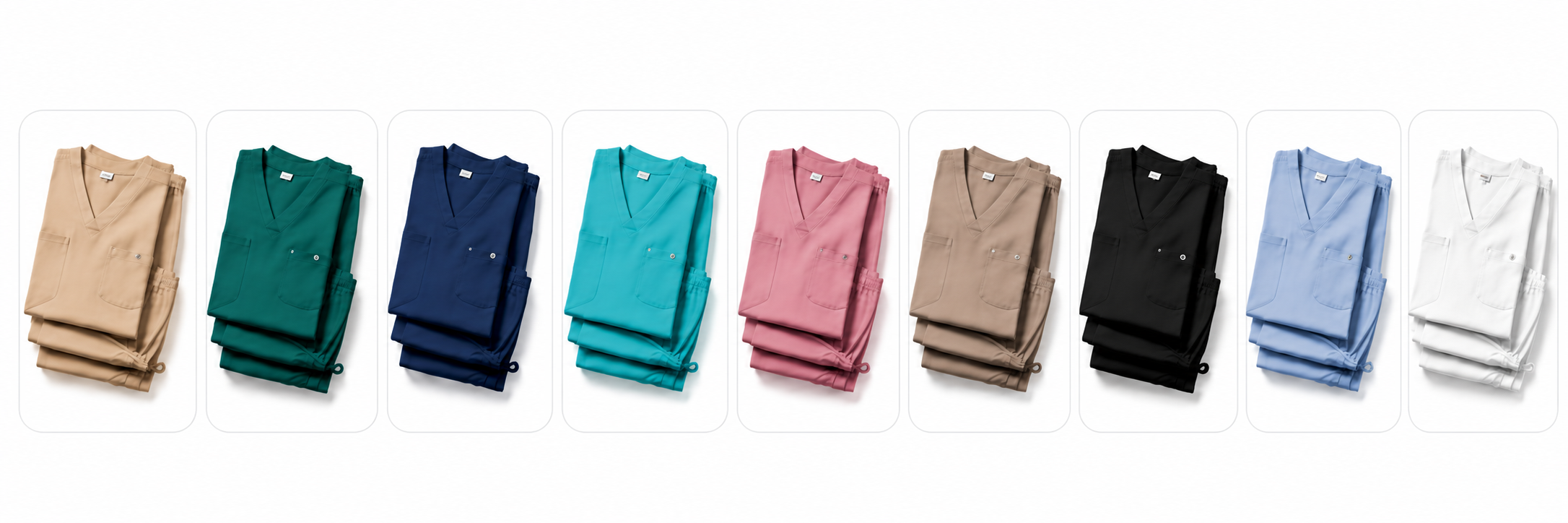
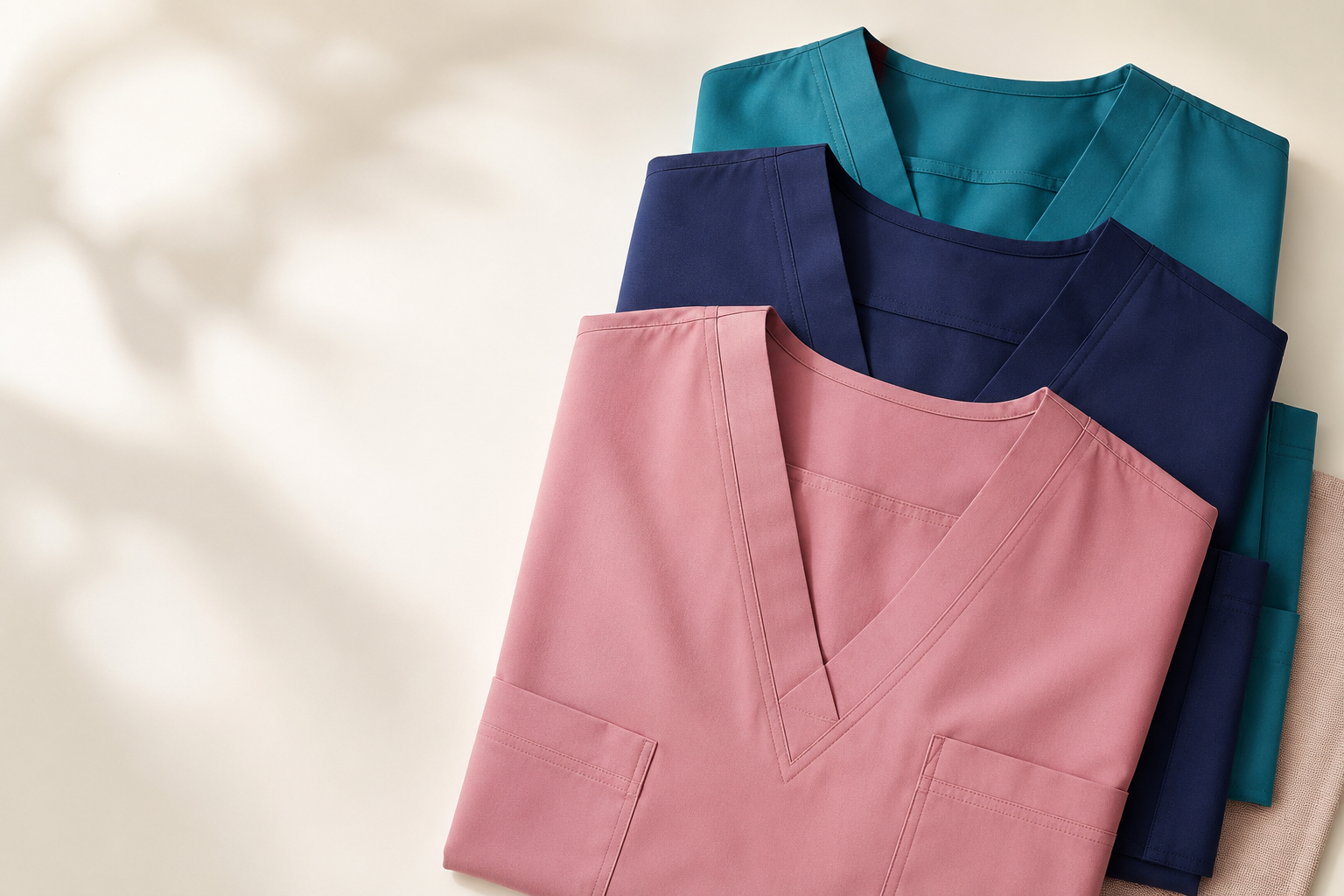
Medical clothing colors significantly impact patient comfort and perception. Soft hues like light blue, green, and pastel shades are generally preferred as they evoke calmness and trust. Conversely, bright or dark colors can appear intimidating or less approachable. Choosing appropriate colors improves patient experience and fosters better interaction in healthcare settings.
Medical Clothing and Facility Dress Code – How to Maintain Balance?
Maintaining a proper balance between medical clothing and the dress code of a healthcare facility is essential for professionalism, hygiene, and comfort. Medical attire must meet the institution's standards while ensuring functionality and safety for healthcare workers. This involves selecting appropriate materials, styles, and accessories that align with the facility’s policies and the nature of medical duties. By adhering to dress code rules and choosing quality medical apparel, healthcare professionals can present a unified and trustworthy image while performing effectively in demanding environments.
Minimalist vs Functional Medical Clothing – Which to Choose?
Choosing between minimalist and functional medical clothing depends on individual needs and work environment. Minimalist designs offer simplicity, clean lines, and ease of movement, ideal for those valuing comfort and a sleek look. Functional medical clothing prioritizes features such as pockets, durability, and adaptability, tailored for professionals requiring utility and practicality throughout their shift. Both styles have pros and cons, but understanding your workflow, comfort preferences, and workplace requirements will guide you to the best choice.
How Often Should Medical Clothing Be Replaced in Healthcare Facilities?
Medical clothing in healthcare facilities should be replaced regularly to maintain hygiene and safety. Typically, uniforms are changed daily or immediately if contaminated. Replacing medical attire depends on factors like the work environment, exposure to contaminants, and material durability. Routine laundering and inspecting for wear are crucial to prevent cross-contamination and ensure professional appearance. Following specific institutional protocols and manufacturer guidelines guarantees optimal protection for healthcare workers and patients alike.
Medical Clothing for Active Work – Features of the Ideal Set
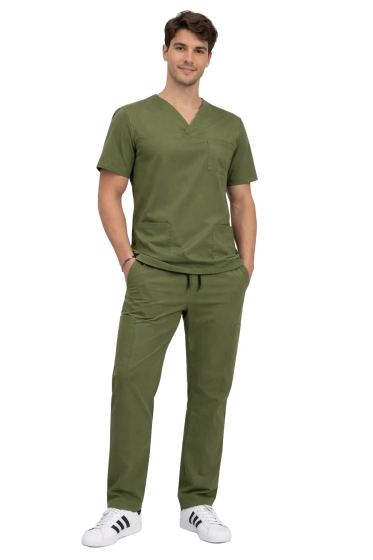
Medical clothing designed for active work must combine comfort, durability, and practical functionality. The perfect set allows free movement, breathability, and easy maintenance while ensuring professional appearance and hygiene. Key features include flexible fabrics, reinforced stitching, and multiple pockets for convenience. Choosing clothing tailored to dynamic tasks supports healthcare workers' efficiency and wellbeing throughout demanding shifts.
Which pockets in medical clothing are truly necessary?
Essential pockets in medical clothing are those that provide easy access and secure storage while ensuring comfort and mobility. Key pockets include chest pockets for pens and notes, side pockets for medical tools, and hidden pockets for personal items. The correct placement and size enhance efficiency and reduce distractions during work. Avoid excess or poorly designed pockets that may interfere with tasks or cause discomfort. Prioritize durable materials and secure closures to protect items. Understanding the practical needs of medical professionals helps select clothing that genuinely supports their daily tasks while maintaining hygiene and professionalism.
Medical Tunics – When Are They Better Than Classic Scrubs?
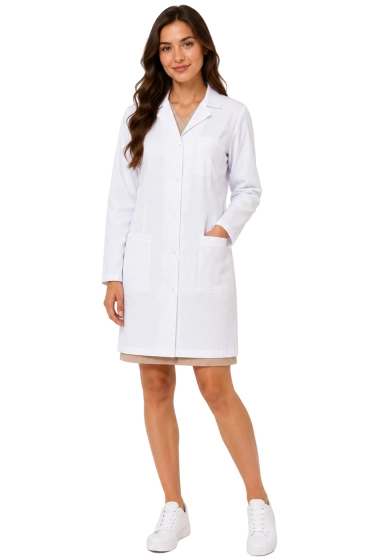
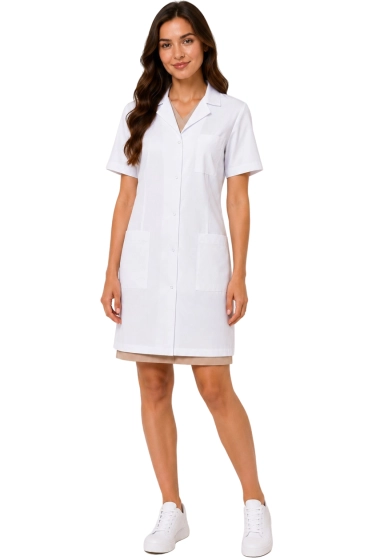
Medical tunics can be preferable to classic scrubs in various healthcare settings due to their design, comfort, and practicality. Tunics often provide a more tailored fit and professional appearance, making them suitable for environments where patient-facing roles demand a polished look. They also offer flexibility in layering and are especially favored in nursing, dentistry, or laboratory contexts. Factors influencing the choice between tunics and scrubs include workplace dress codes, comfort needs, and specific job functions.
Medical Clothing and Workplace Temperature – How to Dress Wisely?
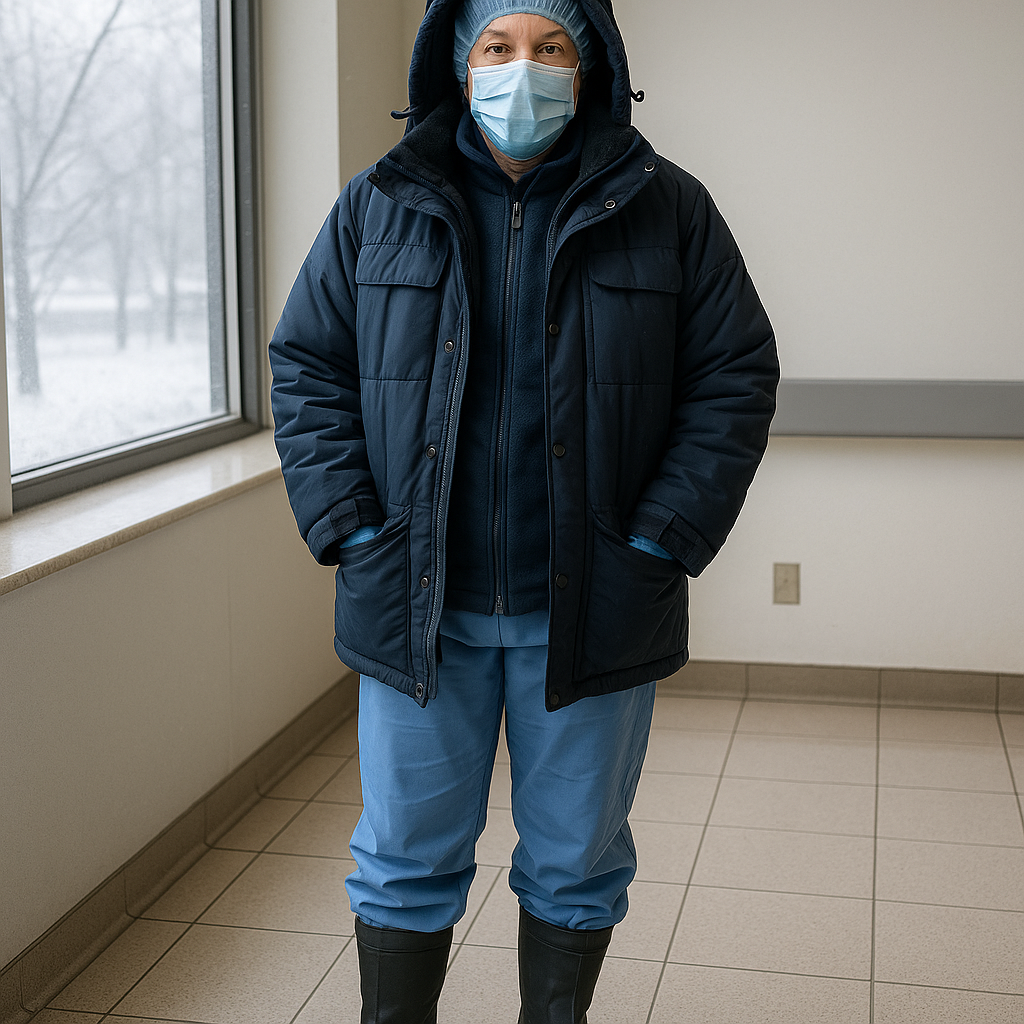
Dressing appropriately in medical settings requires balancing comfort and functionality, especially regarding workplace temperature. Choosing breathable, moisture-wicking fabrics helps regulate body temperature and prevents overheating or excessive cold. Layering garments allows healthcare professionals to adapt to changing temperatures effectively, ensuring both professionalism and comfort throughout their shifts. Selecting suitable medical clothing tailored to temperature conditions is essential for optimal performance and well-being.
Modern Cuts in Medical Clothing – What Has Changed in Recent Years?
Modern cuts in medical clothing have evolved significantly in recent years, focusing on functionality, comfort, and style. Innovations include ergonomic designs, use of advanced fabrics, and more tailored fits that accommodate the dynamic work environments of healthcare professionals. These changes improve not only appearance but also the practical aspects such as mobility, temperature regulation, and easy maintenance, aligning medical clothing with modern workplace demands while ensuring safety and professionalism.
How to Choose Medical Clothing for Sitting and Standing Work?
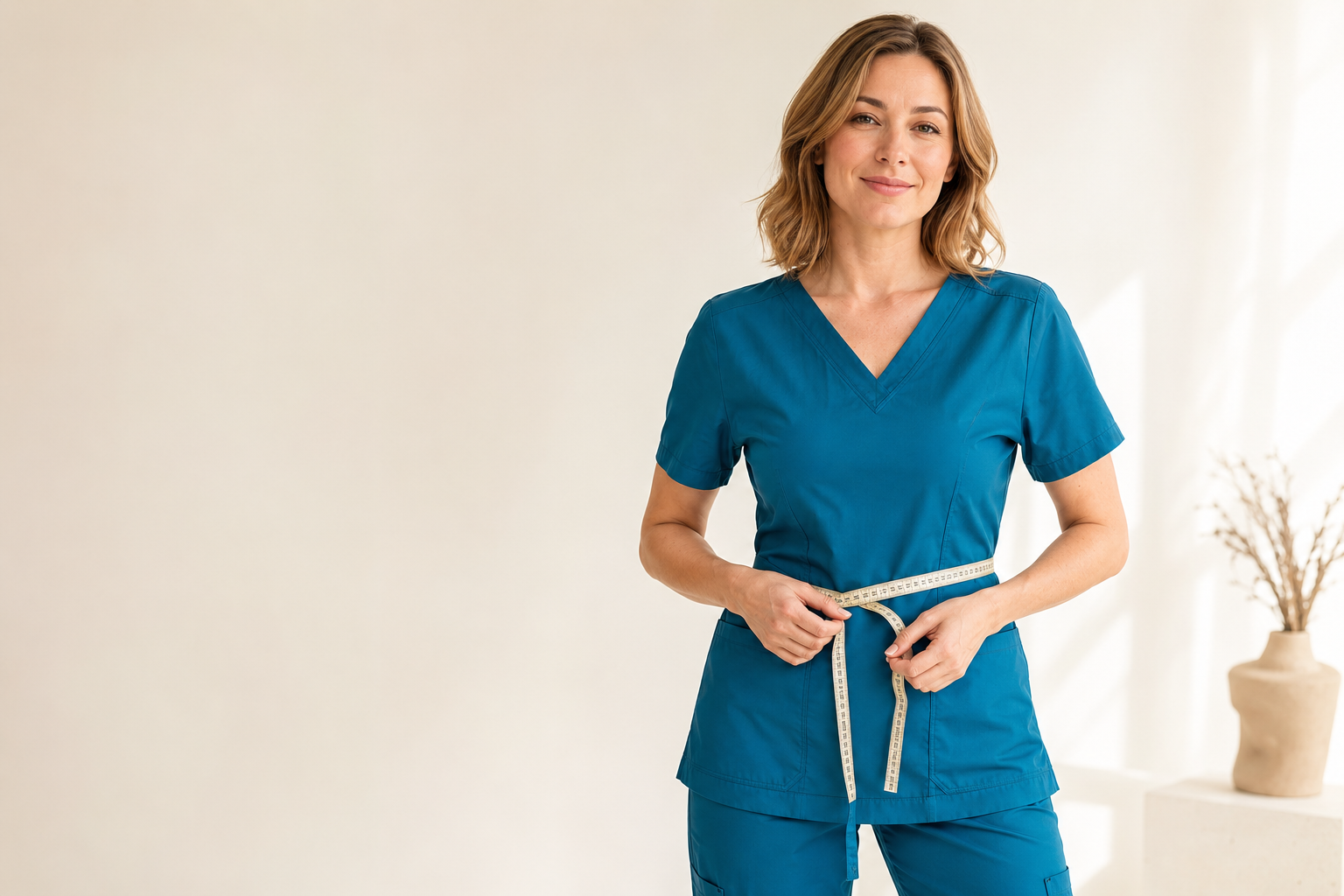
Choosing appropriate medical clothing for both sitting and standing work involves assessing comfort, flexibility, and material quality. For sitting tasks, garments should allow freedom of movement without tightness, while standing professionals benefit from breathable, supportive fabrics to prevent fatigue. Key considerations include fabric breathability, stretchability, and ergonomic design to accommodate different body postures during work. Selecting suitable medical clothing enhances comfort, reduces strain, and promotes professional appearance during long shifts.
Medical Clothing for Allergy Sufferers – What to Consider?
When selecting medical clothing for allergy sufferers, focus on materials that minimize skin irritation and allergic reactions. Opt for hypoallergenic, breathable fabrics such as cotton or specialized synthetic blends designed for sensitive skin. Avoid dyes and additives known to cause allergies. Ensure that the clothing facilitates comfort and hygiene, as these factors significantly impact wearer well-being. Proper garment construction and certifications can also guide safe choices for allergy-prone individuals in medical settings.
Best Scrubs for Physiotherapy Professionals
The best scrubs for physiotherapists combine comfort, flexibility, and durability to accommodate active work routines. Ideal scrubs are made from breathable, stretchable materials that allow ease of movement and moisture-wicking properties for all-day freshness. Features such as pockets for tools and adjustable fits enhance functionality. Choosing scrubs specifically designed for physiotherapy roles ensures both professional appearance and practical comfort during patient care. High-quality fabrics resistant to frequent washing and stains maintain a neat look essential in clinical settings.
What do you gain?
- Up-to-date information on promotions
- Industry news
- Access to your account and many benefits
By subscribing, you agree to our Terms and Conditions (regarding the Newsletter). Data processing is carried out in accordance with our Privacy Policy.