
ON THE OCCASION OF WOMEN'S DAY | -10% ON EVERYTHING | CODE: 8MARCA

Kontakt do sklepu modernbhp - odzież medyczna +48 455 450 117 +48 455 450 117
Polski producent odzieży medycznej, gastronomicznej i laboratoryjnejMedical clothing manufacturer
Close search engine Clear Search
Products in the cart: 0. See details

Your cart is empty

PL Polski
Skip filters

Filters

Price
Close Price filter settings
Cancel Apply filters
Vendor
Close Vendor filter settings
Vendor More options (4)
Cancel Apply filters
End of filters

SEASON HIT

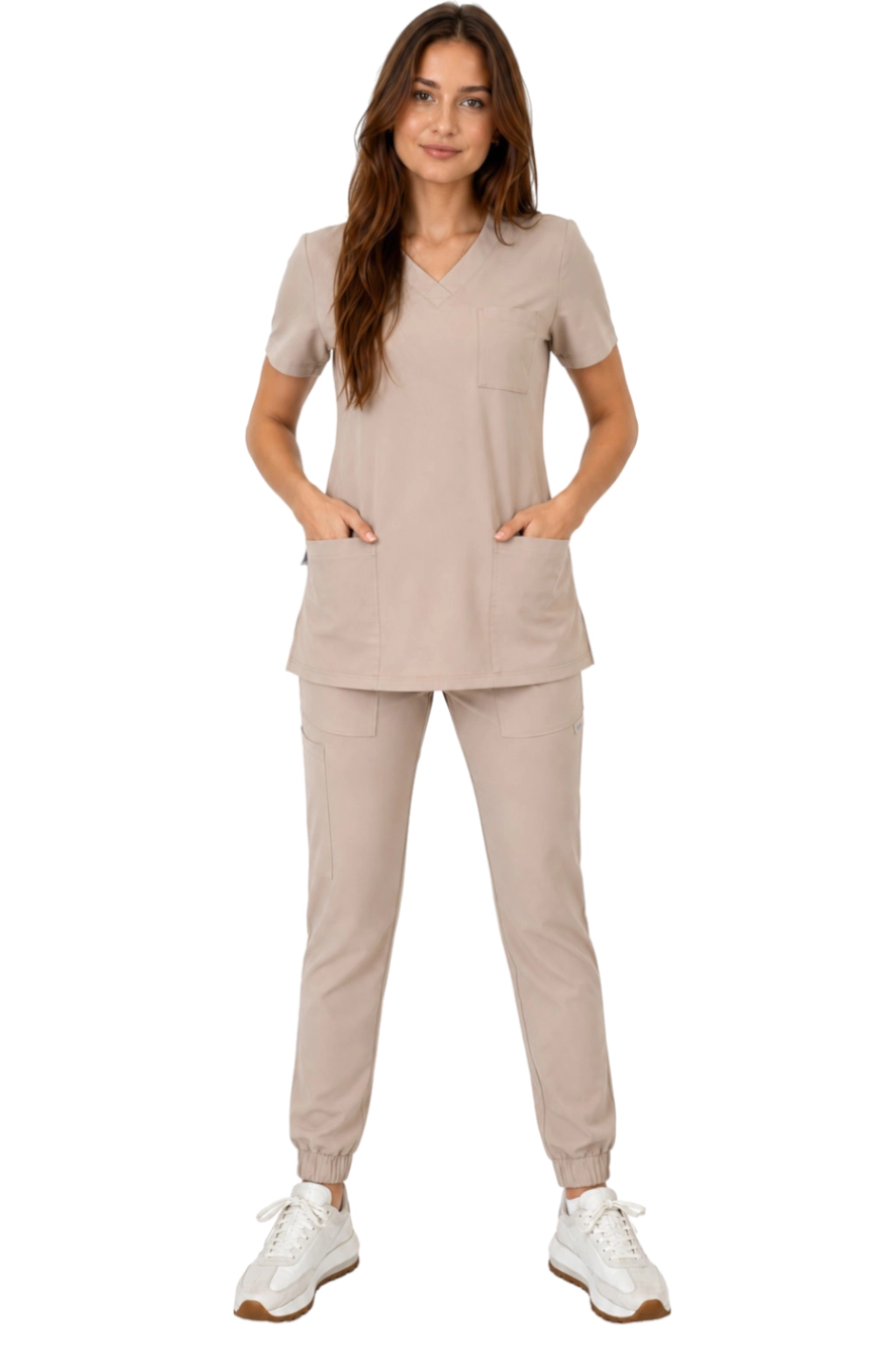
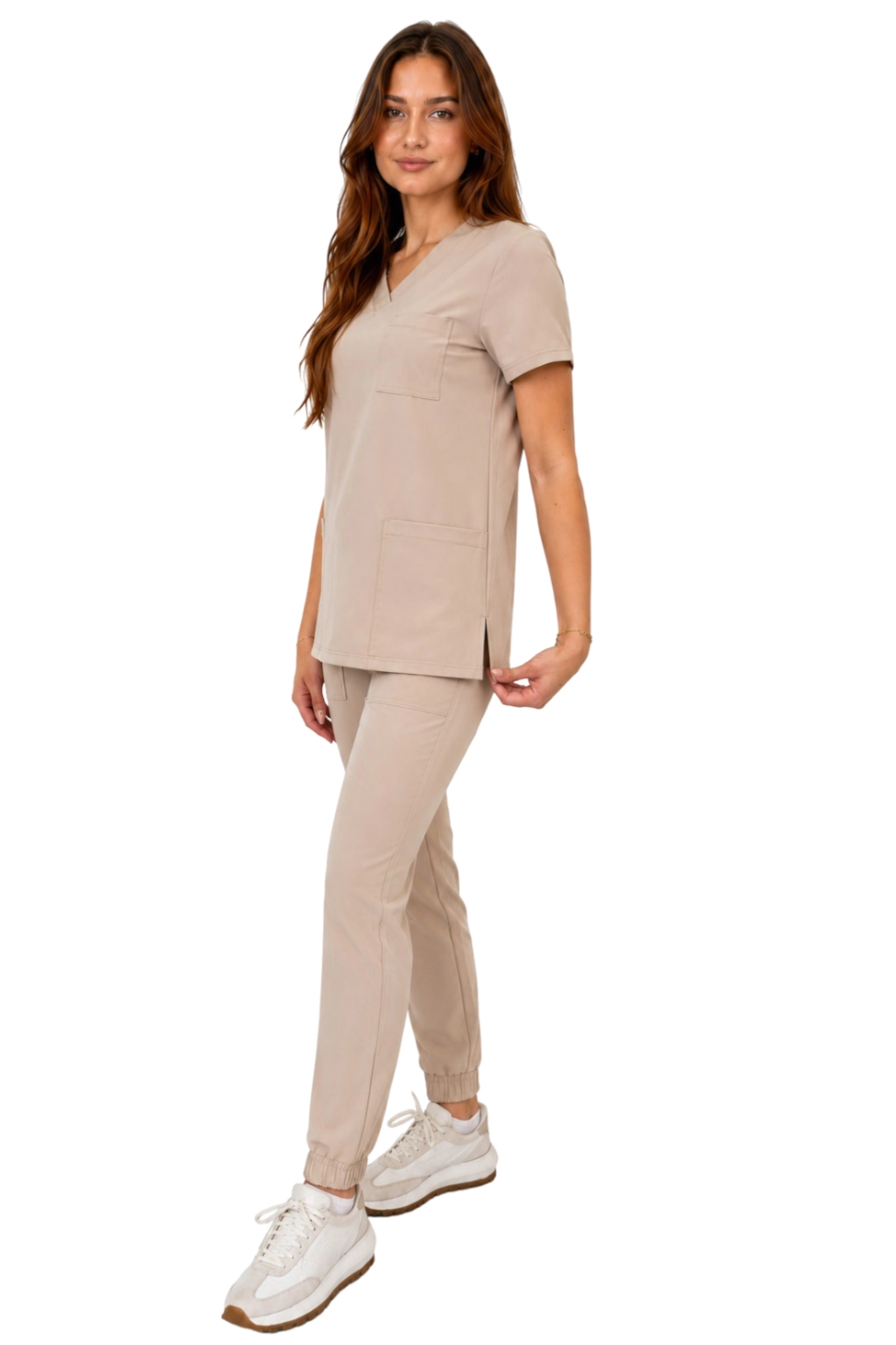
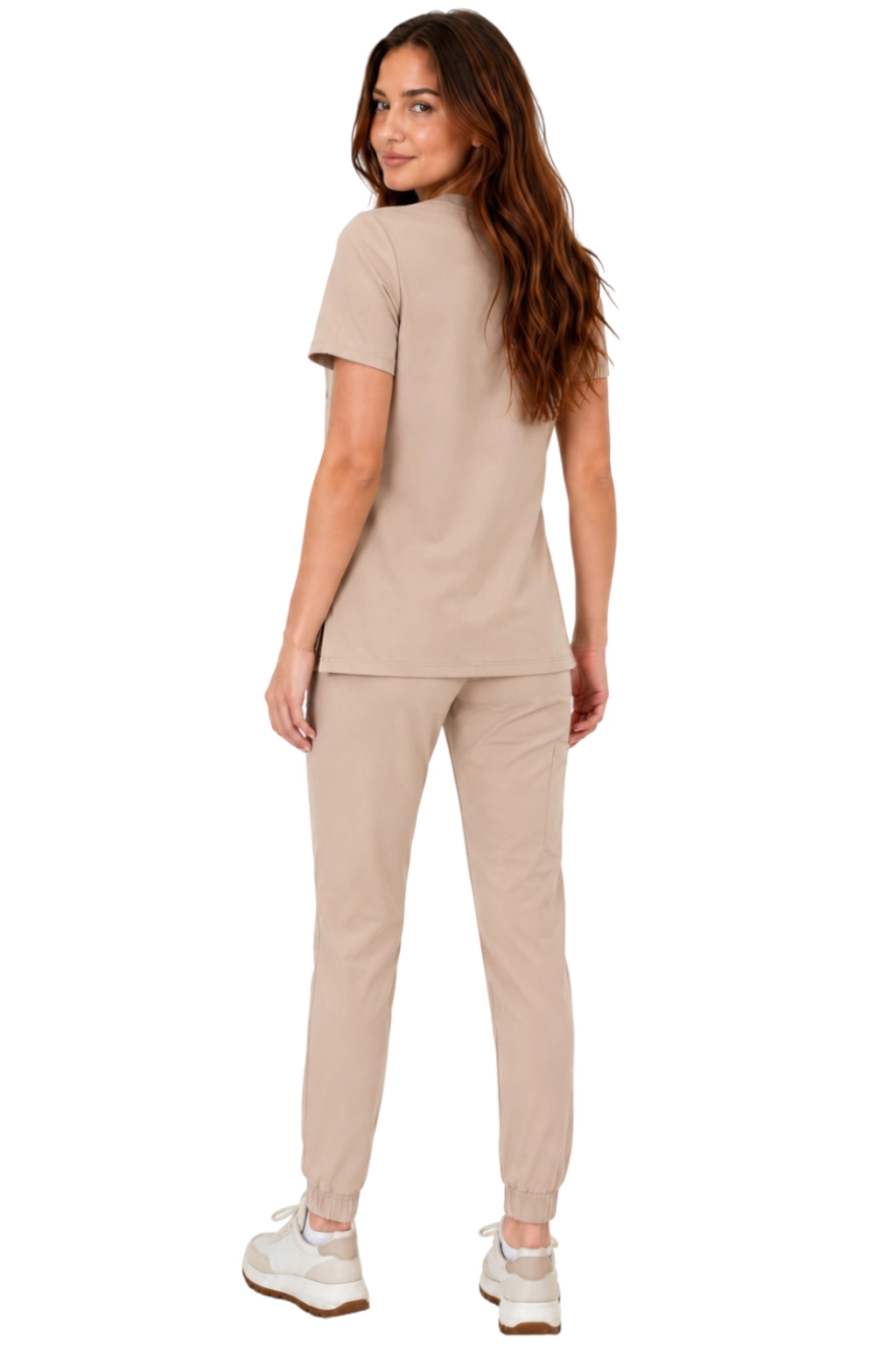
Beige women's medical set - CASUAL PREMIUM scrubs

Select XS S M L XL XXL 3XL
Price £60.00

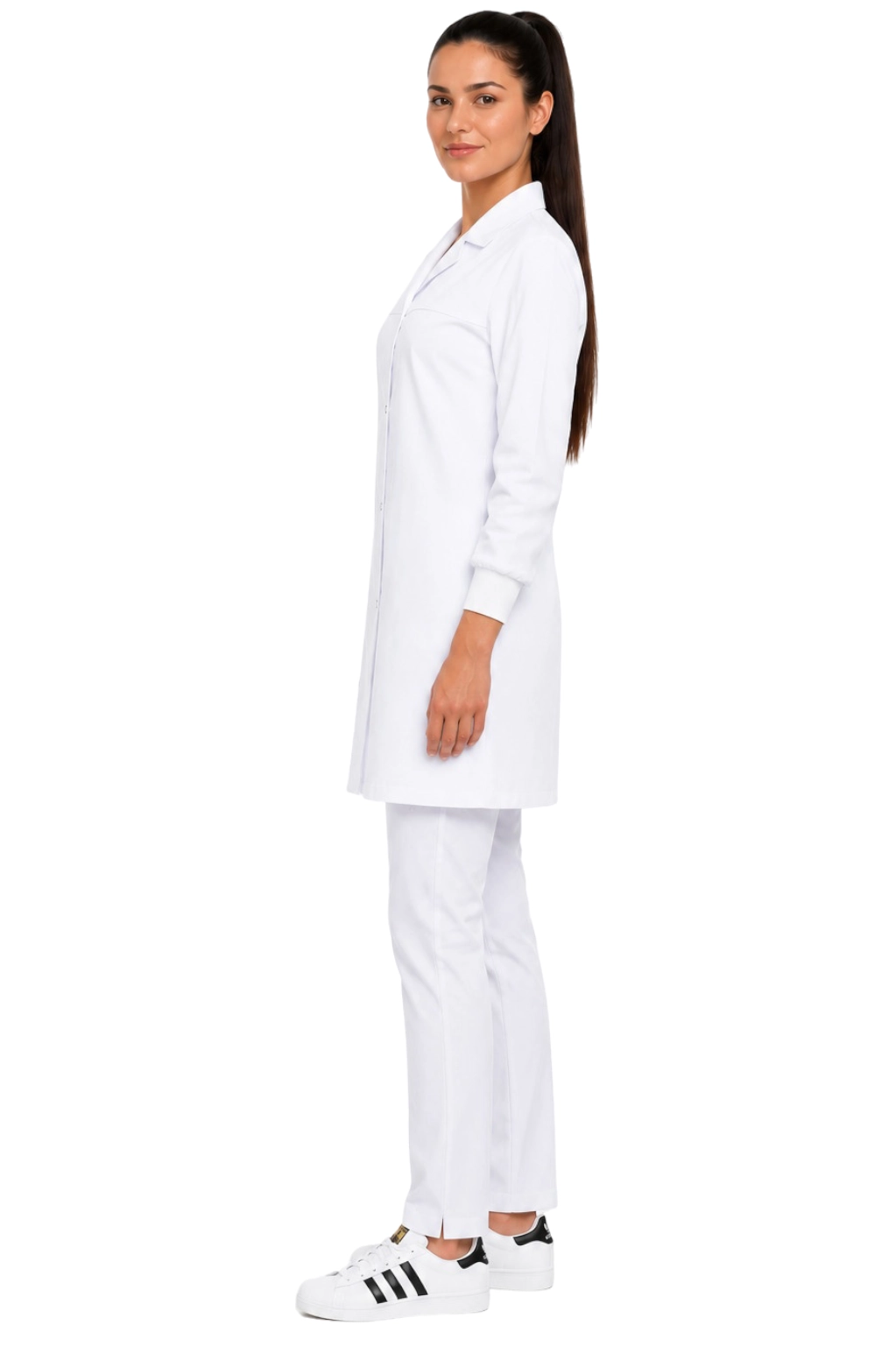
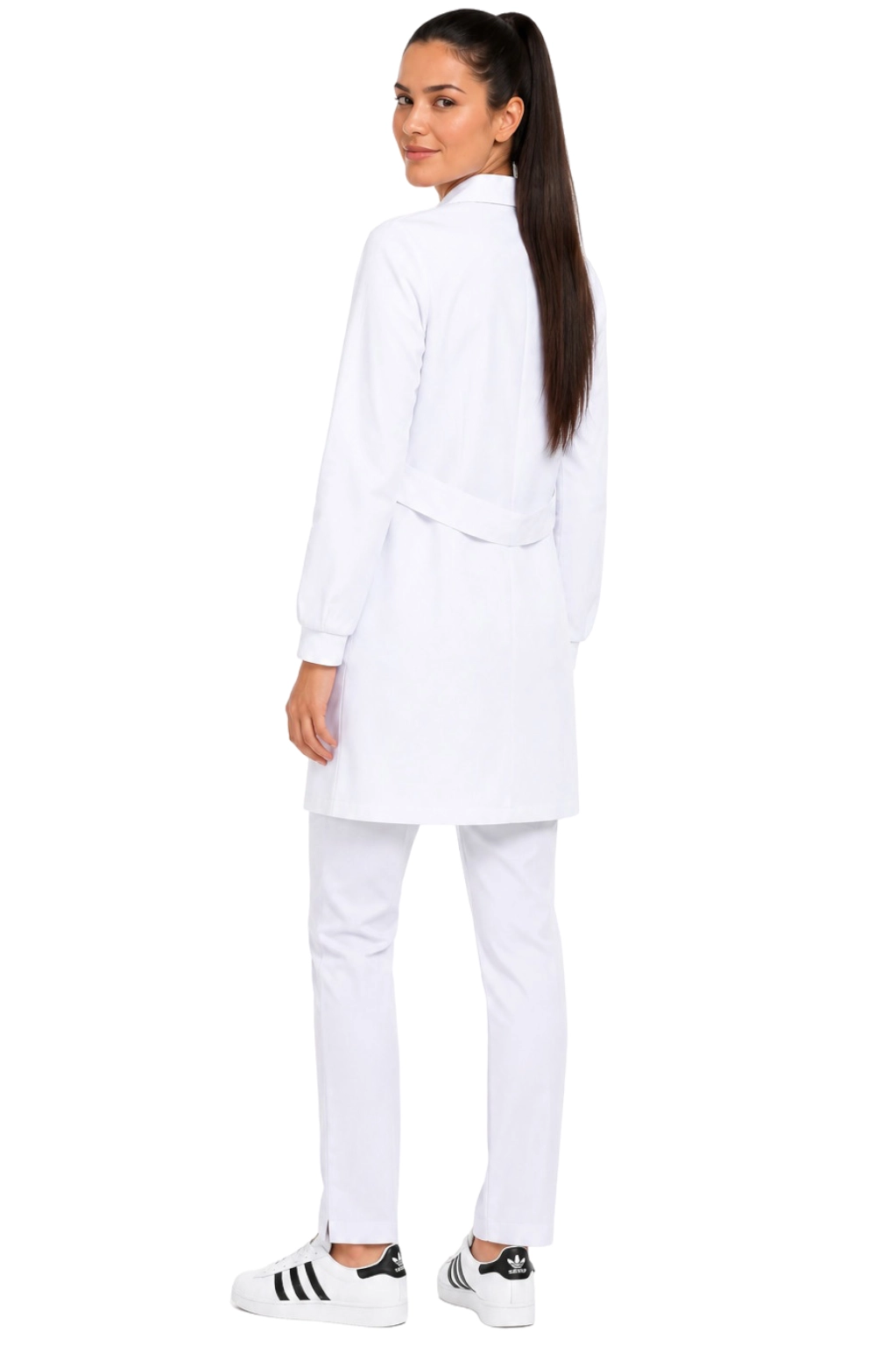
Women's snow-white laboratory apron with snaps

Select S M L XL XXL
Price £14.75

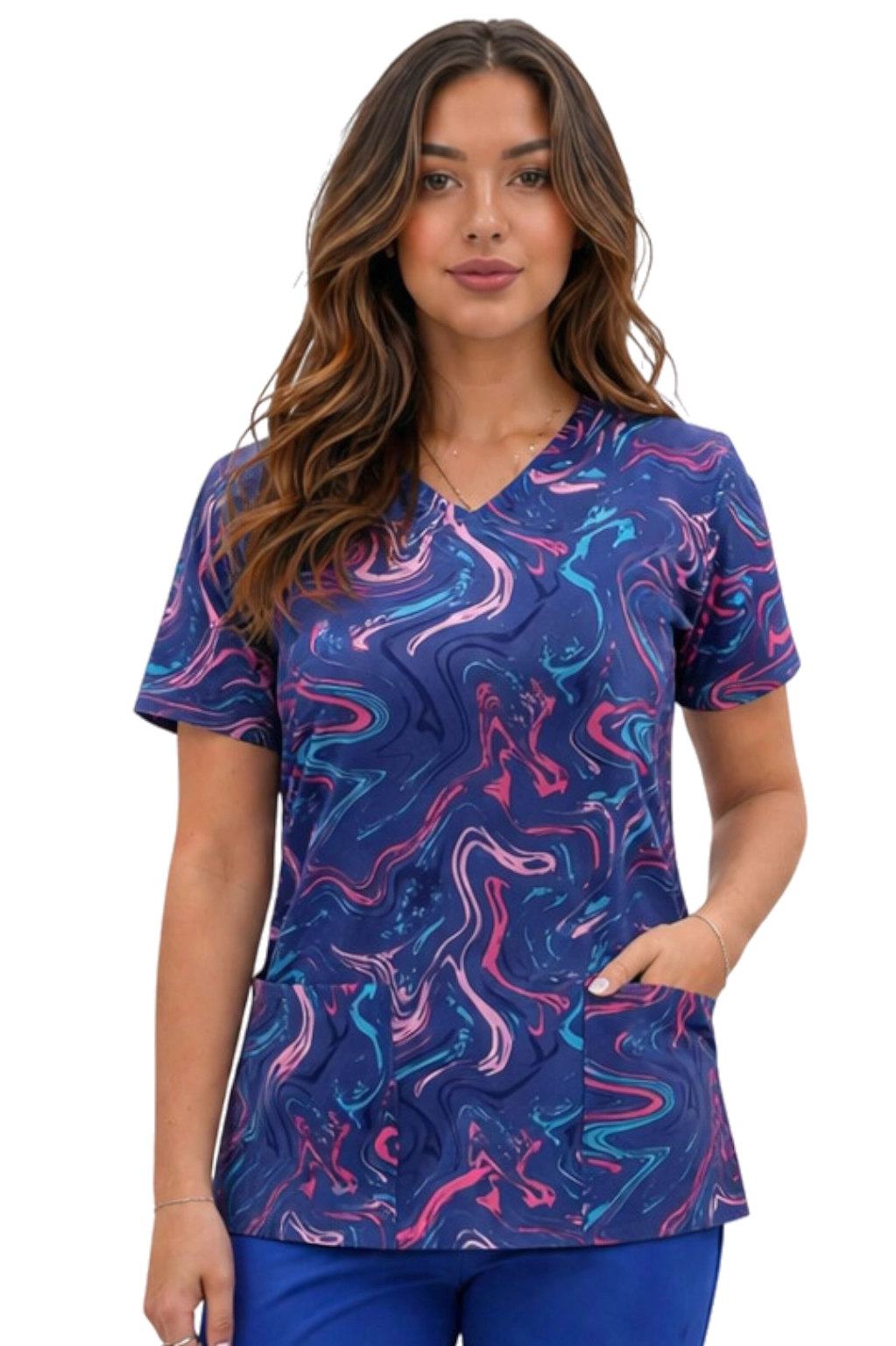
Medical blouse with a pattern, 100% stretch cotton - pattern W14

Select XS S M L XL XXL 3XL 4XL
Price £19.75

Back to School

✔ Back to School is a category that facilitates preparation for the new school year – clothing and accessories for students and pupils for classes, internships, and the first days at school.

fast delivery Fast delivery manufacturer Manufacturer print on clothing Logo and name printing return within 30 days Return within 30 days

Products: 79

List of products

Default Default Product name: A to Z Product name: Z to A Price: from lowest Price: from highest
Price £60.00
Price £60.00
Price £60.00
Price £60.00
Price £60.00
Price £60.00
Price £60.00
Price £60.00
Price £60.00
Price £45.50
Price £45.50
Price £45.50
Price £45.50
Price £45.50
Price £45.50
Price £39.75
Price £39.75
Price £39.75
Price £39.75
Price £26.25
Price £26.25
Price £39.75
Price £39.75
Price £39.75

The Back to School collection is practical and comfortable medical clothing for students and pupils of medical fields. Here you will find medical scrubs, trousers, medical sets, and laboratory coats tailored to the requirements of internships, classes, and placements.

Who is the Back to School collection for

  • Students of medical schools and students of fields: physiotherapy, cosmetology, dentistry, emergency medical services, medical analytics.
  • Individuals starting the school/university year and completing medical uniforms for internships.
  • Educational institutions looking for medical clothing for a class/group in consistent colors and sizes.

What you will find in the category

Medical scrubs

Classic and modern cuts, V-neck, pockets for essential accessories, breathable fabrics. Ideal as medical scrubs for classes.

See medical scrubs

Medical trousers

Straight models and medical joggers with an elastic waistband — comfort during all-day movement. Easy to wash, quick drying.

See medical trousers

Medical sets

Ready-made sets top + trousers, color-coordinated and size-coordinated. The simplest choice to start the year.

See sets

Laboratory coats

Lightweight, resistant to frequent washing lab coats for students and pupils. Women's and men's cuts, lengths adapted to university regulations.

See coats

Why this clothing is suitable for the start of the year

  • Comfort and durability – elastic, breathable fabrics, resistant to washing and disinfectants.
  • Professional appearance – cuts compliant with the standards of schools and medical institutions.
  • Wide range of sizes and colors – easy to match a set for the whole group.
  • Ready-made sets – quick assembly of a medical uniform for internships and placements.

Frequently Asked Questions

How to choose the size of medical clothing for a student?

Use the size chart on the product pages. In case of doubt, choose a larger size — medical tops and trousers should allow full freedom of movement during classes.

Are medical sets suitable for internships?

Yes — medical sets are a quick choice to start the year. They are color-coordinated, easy to care for, and compliant with the requirements of many schools.

Are there discounts available for groups/classes?

For group orders, we prepare an individual offer. Contact our customer service to tailor medical clothing for the class.


  • Medical Clothing for Working with Long-Term Patients

    Medical clothing designed for professionals working with long-term patients is essential for comfort, hygiene, and safety. These garments must be durable, breathable, and easy to clean to withstand extended use and frequent washing. Proper medical attire helps protect both healthcare workers and patients by reducing the risk of contamination and supporting mobility during physical caregiving tasks. Choosing the right materials and features enhances the caregiver's efficiency and ensures compliance with health standards. In summary, specialized medical clothing for long-term care combines practical utility with professional appearance, ensuring a safe and comfortable work environment.

    Read more
  • How to Prepare Staff for the Infection Season – Including Clothing Considerations

    Preparing staff for the infection season requires both practical measures and appropriate clothing choices to ensure safety and comfort. Proper protective clothing reduces infection risks while maintaining ease of movement and durability. This involves selecting suitable materials, layering options, and hygiene practices aligned with workplace demands. Addressing these factors equips personnel to face infection risks effectively, promoting health and operational continuity.

    Read more
  • Common Questions About Medical Clothing Durability

    Medical clothing durability depends largely on fabric quality, proper maintenance, and usage conditions. The most common questions revolve around how long medical garments last, what factors affect their wear and tear, and the best practices to extend their lifespan. Understanding the materials used and following specific care instructions can significantly improve the longevity of medical apparel, providing both comfort and cost-effectiveness for healthcare professionals.

    Read more
  • Medical Clothing and Body Immunity – Does Attire Matter?

    Medical clothing plays a crucial role in protecting healthcare professionals and can indirectly support the body's immunity by preventing contamination and infections. Wearing proper medical attire ensures a hygienic environment, reducing exposure to harmful pathogens. This article explores how materials, design, and correct usage of medical clothing contribute to both professional safety and overall immune protection. Choosing breathable, antimicrobial fabrics and ensuring frequent cleaning help maintain high protective standards. Additionally, avoiding common mistakes like prolonged use of contaminated garments will optimize safety for both healthcare workers and patients.

    Read more
  • Layered Medical Clothing – How to Plan It Well?

    Layered medical clothing is essential for healthcare professionals to ensure comfort, protection, and adaptability throughout their shifts. To plan an effective layered wardrobe, prioritize breathable and moisture-wicking fabrics for inner layers, protective yet flexible outer layers, and consider the specific medical environment and tasks. A good layered outfit enhances safety, complies with hygiene standards, and supports ease of movement. Begin by assessing your workplace requirements, temperature variations, and personal comfort needs, then build layers that balance functionality and professionalism.

    Read more
  • Layered Medical Clothing – How to Plan It Well?

    Layered medical clothing is essential for healthcare professionals to ensure comfort, protection, and adaptability throughout their shifts. To plan an effective layered wardrobe, prioritize breathable and moisture-wicking fabrics for inner layers, protective yet flexible outer layers, and consider the specific medical environment and tasks. A good layered outfit enhances safety, complies with hygiene standards, and supports ease of movement. Begin by assessing your workplace requirements, temperature variations, and personal comfort needs, then build layers that balance functionality and professionalism.

    Read more
  • Autumn Medical Clothing – How to Stay Warm and Avoid Overheating?

    To remain comfortable during autumn shifts, medical staff should wear layered clothing comprised of breathable and insulating materials to balance warmth and temperature regulation. Selecting appropriate fabrics, such as moisture-wicking cotton blends and thermal fleeces, helps prevent feeling cold or overheating during varied activities. Proper layering with versatile medical jackets or fleeces also ensures adaptability throughout changing temperatures.

    Read more
  • Which Materials Best Withstand Daily Disinfection?

    Materials that best endure daily disinfection are those that combine durability with resistance to harsh chemicals. Generally, non-porous surfaces like stainless steel, certain plastics (such as polypropylene and polyethylene), and treated fabrics maintain their integrity and effectiveness despite frequent cleaning. These materials resist degradation, color fading, and physical wear, making them ideal for environments such as medical facilities, food processing, and public spaces where hygiene is critical. Selecting appropriate materials can significantly extend the life of products exposed to rigorous disinfection routines.

    Read more
  • Medical Attire for Trainings and Conferences – What is Appropriate to Wear?

    When attending medical trainings and conferences, it is important to choose attire that balances professionalism, comfort, and functionality. Medical scrubs, tailored jackets, or smart casual clothes designed for healthcare professionals are ideal choices. Avoid overly casual or distracting outfits to maintain a professional appearance and respect the event's context. Select breathable, durable fabrics suitable for long hours, and consider branded or printed medical clothing for identity and networking purposes.

    Read more
  • How to Choose Medical Attire for Different Specializations in One Facility

    Selecting appropriate medical attire for various specializations within a single healthcare facility requires understanding the unique needs of each medical role. Key factors include functionality, comfort, hygiene, and professional appearance tailored to specific tasks. For example, surgeons need durable, sterile gowns, while reception staff require neat administrative uniforms. Considering material quality, fit, and ease of movement ensures safety and efficiency. Integrating specialty-specific clothing enhances identification and workplace harmony across departments.

    Read more
  • Medical Clothing and Intensive Manual Work – What Works Best?

    Medical clothing designed for intensive manual work must prioritize durability, comfort, and functionality to support healthcare professionals during demanding tasks. Fabrics should be breathable, stretchable, and easy to clean, while designs must allow unrestricted movement and quick adaptation to various clinical settings. The best medical clothing balances protection with flexibility, reduces fatigue through ergonomic cuts, and withstands frequent washing without deterioration. Choosing appropriate materials and proper garments enhances performance and safety in high-intensity manual medical duties.

    Read more
  • Common Issues with Medical Clothing Reported by Healthcare Staff

    Healthcare professionals often encounter several common problems with medical clothing that affect comfort, safety, and professionalism. These issues typically include poor fabric quality leading to discomfort, inadequate sizing causing restricted movement, and insufficient durability resulting in frequent replacements. Additionally, challenges related to maintaining cleanliness, such as stain resistance and ease of laundering, are frequently mentioned. Understanding these problems allows healthcare providers and suppliers to make informed choices about medical uniforms that enhance performance, hygiene, and worker satisfaction, ultimately supporting better patient care.

    Read more
  • Back to Work – How to Refresh Medical Clothing After Vacation

    To refresh medical clothing after vacation, start with thorough washing using recommended detergents and appropriate temperatures to eliminate bacteria and odors. Inspect garments for any damage or wear and repair or replace as needed. Proper storage and ironing help maintain the professional appearance essential for healthcare environments. These steps ensure hygiene, prolong garment life, and provide a fresh look as you return to work.

    Read more
  • How to Prepare Medical Clothing for the New Semester

    To prepare medical clothing for the new semester, start by assessing the current condition of your attire and replacing worn or outdated items. Focus on selecting comfortable, durable, and professional garments suitable for the specific medical environment. Organize your wardrobe by types and ensure all pieces are clean and compliant with health regulations. Additionally, consider updating with new accessories that enhance functionality and style. Keeping your medical clothing ready supports professionalism and comfort throughout the semester.

    Read more
  • Medical Clothing for Students – What University Regulations Don't Tell You

    Medical clothing for students is often subject to university regulations that define basic requirements, but several important details remain unspoken. These include the importance of comfort, appropriate materials, and the need for personalized options that reflect professionalism and hygiene. This article explores what is typically omitted from official guidelines and provides a comprehensive overview of choosing proper medical attire to ensure both compliance and practicality during clinical training. Understanding these hidden aspects will help students better prepare for their practical education.

    Read more
  • How to Standardize Staff Uniforms Without Losing Individuality

    To standardize staff uniforms without compromising individuality, focus on a cohesive base design that allows personal touches. Offer customizable elements such as colors, accessories, or styles within uniform guidelines. This approach ensures brand consistency while respecting personal expression. Key strategies include using neutral uniform pieces that accommodate diverse styles and encouraging personalization through badges, pins, or layering. Ensuring comfort and inclusivity in materials and cuts is essential for employee satisfaction and professionalism.

    Read more

    Clothing with your own custom print?

    Create your unique look, your own logo or text – only in our store!

    Medical clothing with custom print

    Clothing with your own print?

    Create your unique look, your own logo, text – only in our store!

    SEZON WIOSNA 2024

    STYLOWOŚĆ W KAŻDYM SZWIE