








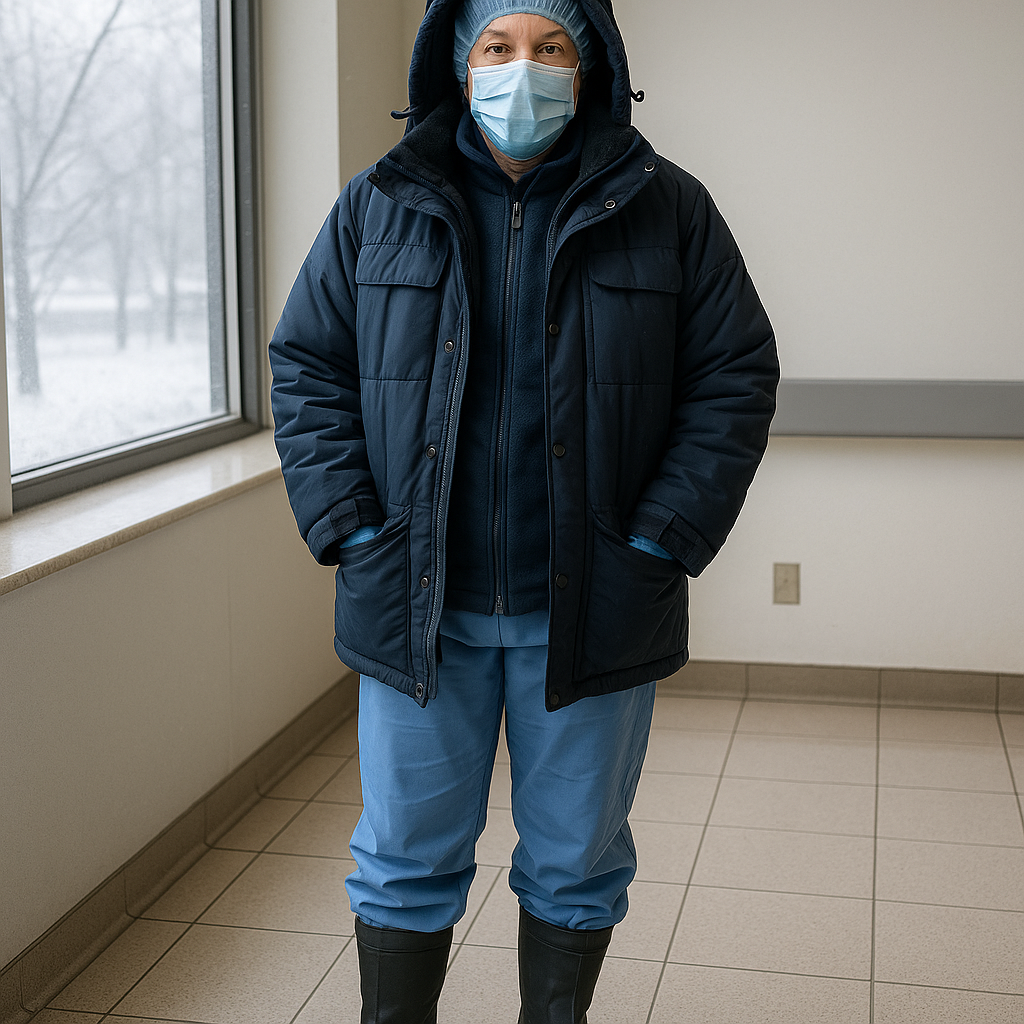
When transitioning into colder months, healthcare professionals must adjust their medical clothing to provide adequate protection against winter conditions. This preparation involves understanding the specific requirements for warmth, comfort, and safety without compromising mobility or hygiene. The following guide offers practical advice and critical factors to consider when choosing and maintaining winter medical clothing.
Proper winter attire supports healthcare workers in performing their duties efficiently while minimizing risks related to cold exposure. Investing in suitable garments tailored for winter use ensures not only personal comfort but also compliance with workplace standards.
Context
Medical personnel face unique challenges during winter, including low temperatures, increased moisture, and sometimes icy conditions. Clothing must therefore insulate effectively and manage perspiration to keep the wearer dry and warm.
Main answer
To prepare medical clothing for winter, prioritize layers that combine warmth and breathability. Start with base layers made from moisture-wicking fabrics to keep skin dry, add insulating mid-layers for thermal protection, and finish with outer layers that shield from wind and rain. Select materials like fleece or wool blends designed for medical environments. Ensure garments comply with infection control standards. Common winter medical clothes include thermal scrub sets, insulated jackets, and winter-appropriate footwear.
For reliable options, consider exploring medical fleece jackets and sweatshirts or specialized medical footwear that offer insulation and slip resistance. Layering properly can be complemented with medical accessories such as insulated caps and gloves designed for clinical settings.
Parameters / materials
- Fabric Type: Choose breathable, moisture-wicking fabrics like polyester blends and fleece to maintain dryness.
- Insulation: Use mid-layers that trap heat without bulk, such as lightweight wool blends or insulated medical jackets.
- Outerwear: Protect from wind and precipitation with water-resistant or windproof layers suitable for hospital use.
- Footwear: Opt for insulated, non-slip shoes designed for medical environments to prevent falls and keep feet warm.
- Fit and Mobility: Clothing should allow freedom of movement for demanding tasks.
Common mistakes
- Wearing cotton as a base layer, which retains moisture and decreases insulation.
- Ignoring layering principles and choosing clothing that is too bulky or insufficiently warm.
- Using outerwear that is not waterproof or windproof during outdoor shifts.
- Neglecting proper footwear, leading to cold feet and slip hazards.
- Failing to consider infection control compatibility of winter gear.
Recommendations
- Use moisture-wicking base layers under medical scrubs for comfort.
- Incorporate fleece jackets or insulated scrub sets from reliable suppliers like ModernCompany fleece jackets.
- Wear water-resistant outer layers during exposure to the elements.
- Choose medical footwear with insulation and slip-resistance from specialized collections to maintain safety.
- Maintain proper hygiene by selecting garments compatible with frequent washing and disinfection.
FAQ
What fabrics are best for winter medical clothing?
Breathable, moisture-wicking fabrics like polyester blends and fleece are optimal for balancing warmth and dryness.
Can I use regular winter jackets at work?
It's best to use medical-grade jackets designed to meet healthcare hygiene and safety standards.
How often should winter medical clothing be washed?
Clothing should be washed regularly, following manufacturer instructions, ideally after each shift to maintain hygiene.
Are insulated medical shoes necessary?
Yes, insulated shoes help keep feet warm and slip-resistant shoes prevent accidents in winter conditions.
Is layering really important for medical staff in winter?
Absolutely, layering allows adjustment of thermal protection according to activity level and environment.
Summary
Adapting medical clothing for winter involves selecting suitable layered garments made from moisture-wicking and insulating fabrics while ensuring protection from wind and moisture. Proper footwear and medical accessories further enhance comfort and safety. Following best practices and using specialized winter medical clothing ensures healthcare professionals stay warm, mobile, and compliant during the colder months.