








Intensive washing of medical clothing does not have to result in a loss of quality, provided that the correct methods and detergents are used. The key is selecting appropriate washing parameters while preserving the fabric’s properties. Since medical clothing is constantly exposed to contaminants, it requires regular and effective cleaning, but this can be done without damaging its structure or colour. It is important to pay attention to the washing temperature, detergents and cycle duration to maintain the durability and appearance of the garments. Properly selected detergents eliminate bacteria while remaining gentle on the fabric. Following the manufacturer's care instructions is the most effective way to preserve the functionality and professional appearance of medical clothing for a long time.
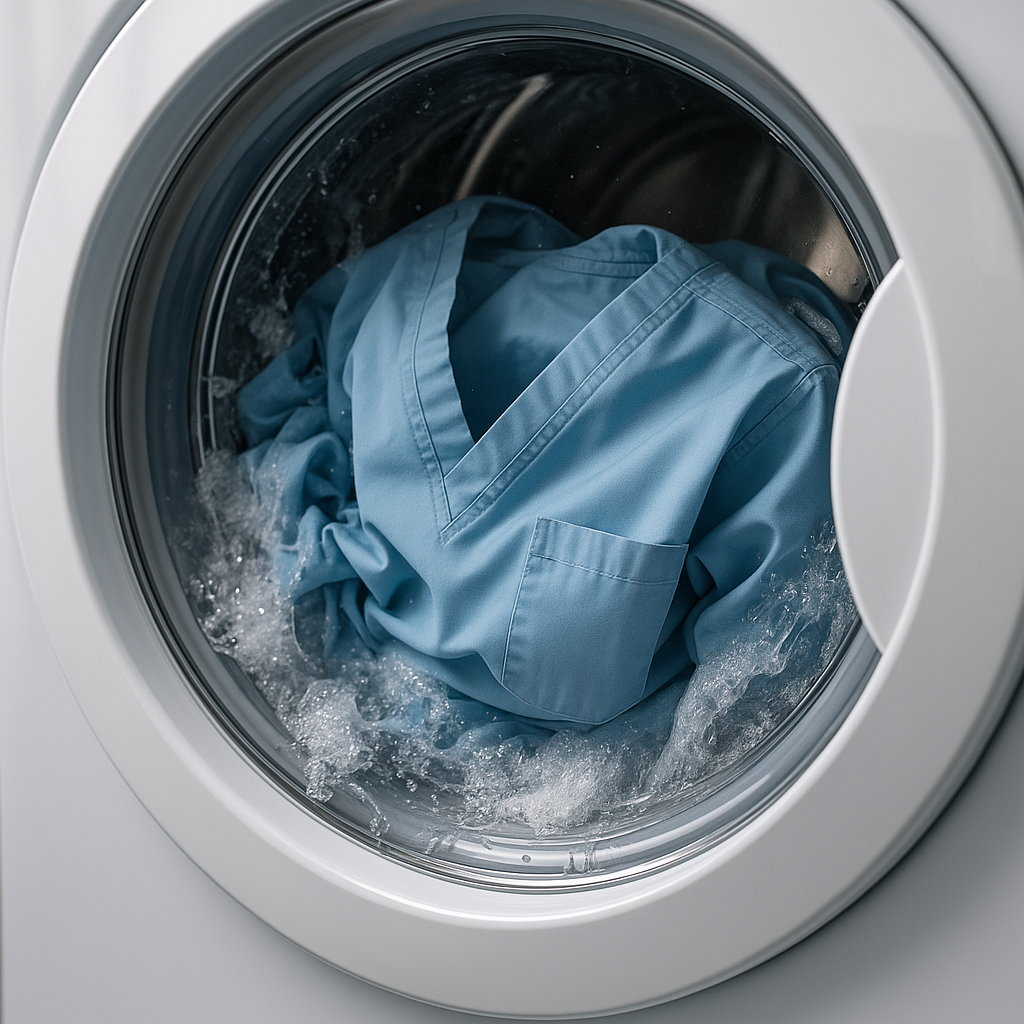
Medical Clothing and Intensive Washing – How to Maintain Quality?

Colourful Medical Scrubs – Complete Guide | ModernBHP
Until recently, medical clothing was associated mainly with white and neutral colours that dominated healthcare facilities for many years. Today, however, the approach to medical uniforms is changing rapidly. More and more clinics and medical practices are choosing a modern look, and colourful medical scrubs sets are becoming a natural part of healthcare professionals' everyday workwear. Colourful scrubs combine professionalism with individual style while providing greater comfort and creating a positive first impression on patients. In this guide, you'll learn why colourful medical scrubs are becoming increasingly popular, when they are the best choice, and which colours and styles are worth considering. We'll also present several particularly interesting models. If you're still wondering whether colourful medical clothing is the right choice for you or your team, this guide will help you make the right decision.

How to Plan Medical Workwear for the Upcoming Year
Planning medical workwear for the upcoming year involves assessing current needs, updating uniforms for compliance, and ensuring comfort and functionality. Start by evaluating existing inventory and identifying requirements for different roles and seasons. Then, prioritize selecting durable, easy-to-clean materials that align with medical standards. Account for staff feedback to enhance satisfaction and performance. A well-planned wardrobe contributes to professionalism and safety in healthcare settings.

Top Medical Clothing Choices for All-Year Wear – 2026 Review
Choosing the best medical clothing for year-round use requires balancing comfort, durability, and style. In 2026, medical professionals prioritize breathable fabrics, easy-care materials, and versatile designs that adapt to varying temperatures and work demands. This review summarizes the top picks in medical apparel, focusing on materials, fit, and practicality to help you select clothing that supports long shifts and enhances professionalism regardless of the season. Key aspects include moisture-wicking fabrics, layered options, and ergonomic tailoring that meet the needs of healthcare environments all year long.

Medical Clothing for Holiday Shifts – Comfort Matters
Medical clothing plays a crucial role during holiday shifts, where comfort directly impacts healthcare professionals' performance and well-being. Choosing the right apparel made from quality materials ensures ease of movement, breathability, and durability during extended hours. This article outlines essential parameters for selecting medical uniforms for festive duty, highlights common mistakes to avoid, and provides recommendations to optimize comfort and functionality. With proper clothing, medical staff can maintain focus, reduce fatigue, and deliver better patient care during busy holiday periods.
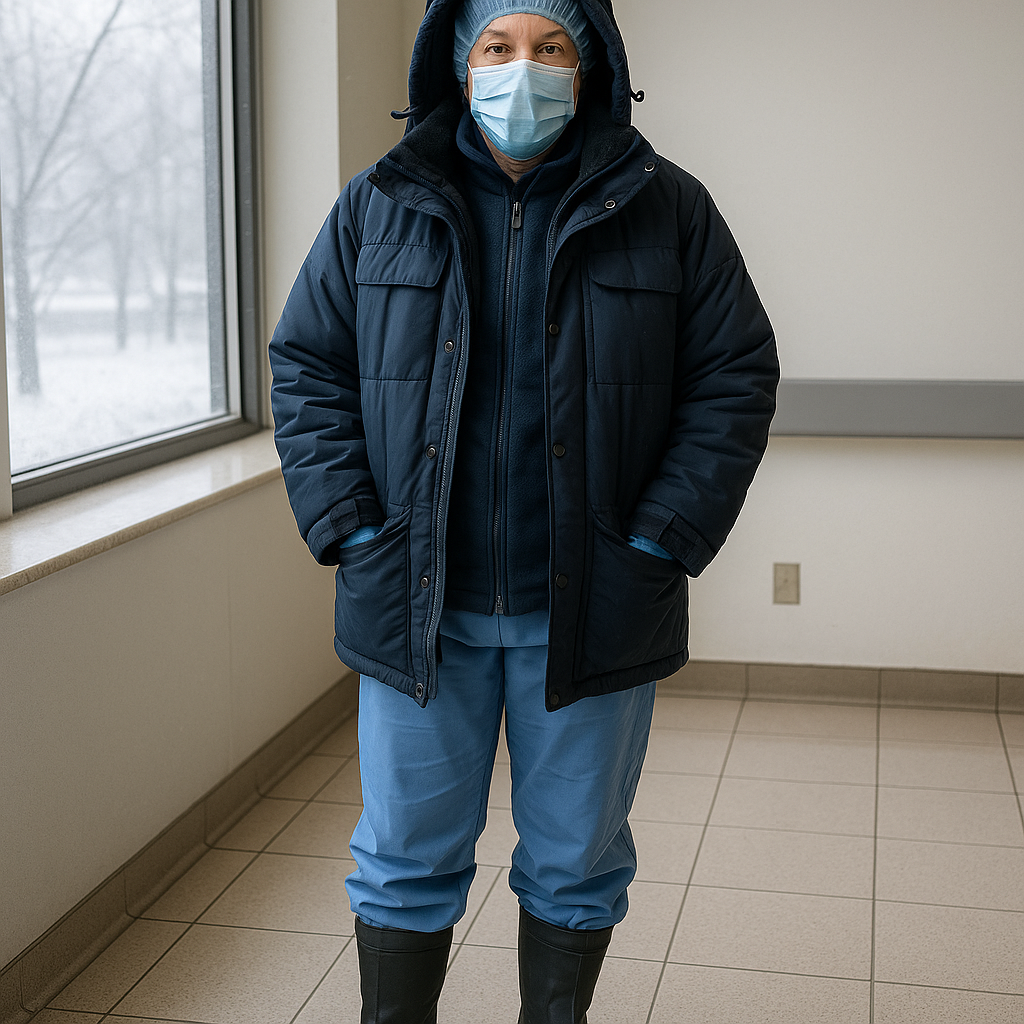
How to Prepare Medical Clothing for Winter Conditions
Preparing medical clothing for winter conditions requires selecting appropriate materials that provide insulation while remaining breathable and durable. Key steps include layering garments, choosing fabrics with moisture-wicking properties, and ensuring protection against harsh weather to maintain comfort during long shifts. Proper winter medical attire enhances functionality and safety, preventing cold-related health issues and maintaining hygiene standards in clinical settings.

Medical Clothing as an Element of Employer Branding
Medical clothing plays a crucial role in employer branding by enhancing the professional image and unity of healthcare teams. Properly designed and chosen medical uniforms foster a sense of belonging among employees, improving morale and retention. Additionally, medical clothing serves as a visual representation of a healthcare organization's values and commitment to quality care, making it an effective tool for attracting and retaining talent in a competitive market.

Which Medical Clothing Models Are the Most Versatile?
The most versatile medical clothing models include classic scrubs, lab coats, and medical sets designed for both comfort and adaptability in various healthcare settings. These garments typically feature durable, easy-care fabrics and practical designs, allowing healthcare professionals to perform a wide range of duties effectively. Choosing versatile models provides benefits such as ease of movement, professional appearance, and suitability for multiple medical roles.

How to Optimize Medical Clothing Costs in a Facility
Optimizing medical clothing costs in a healthcare facility involves strategic planning and efficient management. Start by assessing current expenses and usage patterns, then focus on selecting durable, cost-effective materials and reliable suppliers. Implement inventory management to reduce waste and consider staff feedback to balance comfort and budget. Regularly review contracts and explore bulk purchasing discounts. By following these steps, facilities can reduce expenses while maintaining quality and compliance with health standards, ensuring both financial savings and staff satisfaction.

Medical Clothing and Intensive Use – When Replacement Is Necessary
Medical clothing worn intensively must be replaced regularly to maintain hygiene, safety, and professional appearance. The frequency of replacement depends on the type of material, usage conditions, and visible wear signs such as stains, tears, or loss of protective properties. Clothing that no longer meets medical standards or hinders comfort and mobility should be exchanged promptly to ensure effective protection for healthcare workers and patients. Maintaining a replacement schedule reduces infection risks and supports compliance with workplace regulations.

Is It Worth Buying Medical Clothing in Sets?
Purchasing medical clothing in sets is often a practical and economical choice. It ensures uniformity in appearance, saves time on coordinating separate pieces, and can be more cost-effective. Sets typically include complementary items such as tops and pants, made from materials suited for medical environments. When selecting medical clothing sets, consider fabric quality, comfort, durability, and ease of maintenance. Overall, buying in sets offers convenience, a professional look, and can simplify procurement for healthcare professionals.

How to Plan Medical Clothing Purchases in Advance
Planning medical clothing purchases in advance ensures proper budget management, timely availability, and appropriate selection for healthcare professionals. Begin early by assessing current inventory, forecasting needs based on staff size and seasonal changes, and researching suppliers. A checklist approach helps avoid mistakes such as last-minute buying or poor-quality selections. Considering materials, fit, and compliance standards guarantees both comfort and safety. Early planning also allows time for customization or bulk ordering, ensuring uniforms meet workplace demands. Stay organized, adhere to procurement policies, and maintain open communication with suppliers for a smooth purchasing process.

Medical Clothing for Working with Long-Term Patients
Medical clothing designed for professionals working with long-term patients is essential for comfort, hygiene, and safety. These garments must be durable, breathable, and easy to clean to withstand extended use and frequent washing. Proper medical attire helps protect both healthcare workers and patients by reducing the risk of contamination and supporting mobility during physical caregiving tasks. Choosing the right materials and features enhances the caregiver's efficiency and ensures compliance with health standards. In summary, specialized medical clothing for long-term care combines practical utility with professional appearance, ensuring a safe and comfortable work environment.

How to Prepare Staff for the Infection Season – Including Clothing Considerations
Preparing staff for the infection season requires both practical measures and appropriate clothing choices to ensure safety and comfort. Proper protective clothing reduces infection risks while maintaining ease of movement and durability. This involves selecting suitable materials, layering options, and hygiene practices aligned with workplace demands. Addressing these factors equips personnel to face infection risks effectively, promoting health and operational continuity.

Common Questions About Medical Clothing Durability
Medical clothing durability depends largely on fabric quality, proper maintenance, and usage conditions. The most common questions revolve around how long medical garments last, what factors affect their wear and tear, and the best practices to extend their lifespan. Understanding the materials used and following specific care instructions can significantly improve the longevity of medical apparel, providing both comfort and cost-effectiveness for healthcare professionals.

Medical Clothing and Body Immunity – Does Attire Matter?
Medical clothing plays a crucial role in protecting healthcare professionals and can indirectly support the body's immunity by preventing contamination and infections. Wearing proper medical attire ensures a hygienic environment, reducing exposure to harmful pathogens. This article explores how materials, design, and correct usage of medical clothing contribute to both professional safety and overall immune protection. Choosing breathable, antimicrobial fabrics and ensuring frequent cleaning help maintain high protective standards. Additionally, avoiding common mistakes like prolonged use of contaminated garments will optimize safety for both healthcare workers and patients.

Layered Medical Clothing – How to Plan It Well?
Layered medical clothing is essential for healthcare professionals to ensure comfort, protection, and adaptability throughout their shifts. To plan an effective layered wardrobe, prioritize breathable and moisture-wicking fabrics for inner layers, protective yet flexible outer layers, and consider the specific medical environment and tasks. A good layered outfit enhances safety, complies with hygiene standards, and supports ease of movement. Begin by assessing your workplace requirements, temperature variations, and personal comfort needs, then build layers that balance functionality and professionalism.

Layered Medical Clothing – How to Plan It Well?
Layered medical clothing is essential for healthcare professionals to ensure comfort, protection, and adaptability throughout their shifts. To plan an effective layered wardrobe, prioritize breathable and moisture-wicking fabrics for inner layers, protective yet flexible outer layers, and consider the specific medical environment and tasks. A good layered outfit enhances safety, complies with hygiene standards, and supports ease of movement. Begin by assessing your workplace requirements, temperature variations, and personal comfort needs, then build layers that balance functionality and professionalism.

Autumn Medical Clothing – How to Stay Warm and Avoid Overheating?
To remain comfortable during autumn shifts, medical staff should wear layered clothing comprised of breathable and insulating materials to balance warmth and temperature regulation. Selecting appropriate fabrics, such as moisture-wicking cotton blends and thermal fleeces, helps prevent feeling cold or overheating during varied activities. Proper layering with versatile medical jackets or fleeces also ensures adaptability throughout changing temperatures.

Which Materials Best Withstand Daily Disinfection?
Materials that best endure daily disinfection are those that combine durability with resistance to harsh chemicals. Generally, non-porous surfaces like stainless steel, certain plastics (such as polypropylene and polyethylene), and treated fabrics maintain their integrity and effectiveness despite frequent cleaning. These materials resist degradation, color fading, and physical wear, making them ideal for environments such as medical facilities, food processing, and public spaces where hygiene is critical. Selecting appropriate materials can significantly extend the life of products exposed to rigorous disinfection routines.