
 +48 455 450 117
  Medical clothing manufacturer





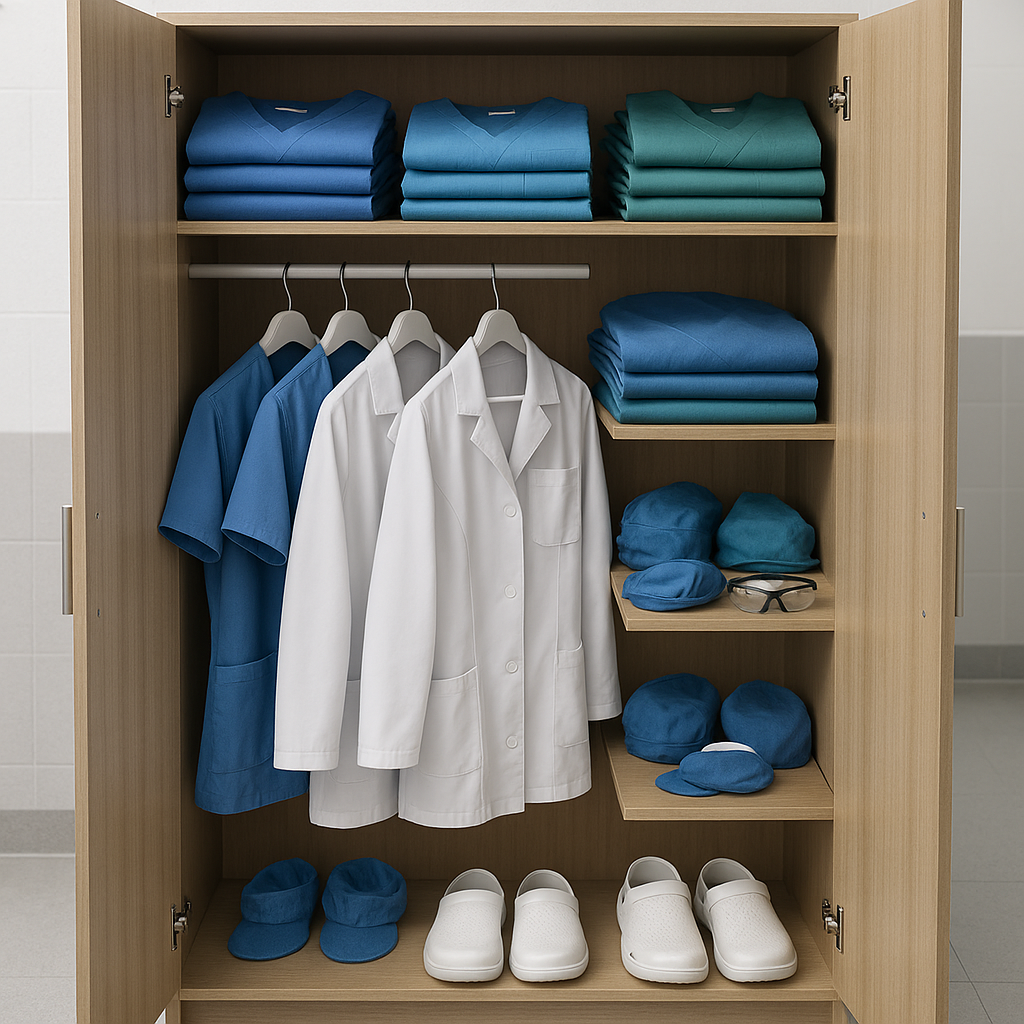
Healthcare professionals working in shifts need a reliable backup medical wardrobe to handle fast-paced environments and ensure continuous hygiene standards. A well-prepared backup wardrobe reduces stress, maintains professional appearance, and helps comply with workplace safety protocols.
Ensuring you have enough spare medical clothing is vital to manage sudden changes or emergencies, especially during long or multiple shifts. This article will guide you through essential considerations when assembling your backup medical wardrobe.
Understanding the right materials, proper organization, and avoiding common mistakes can improve efficiency and safety. Let's dive into the main aspects of preparing for shift work clothing requirements.
Context
Medical professionals working rotating or night shifts face unique challenges that impact their clothing needs. Shift work often involves longer hours, exposure to biological hazards, and varying environmental conditions. This requires clothing that remains comfortable, sanitary, and durable throughout different shifts.
Furthermore, quick changes between shifts necessitate having backup clothing readily available to avoid contamination and maintain comfort.
Main answer
To prepare a backup medical wardrobe for shift work, select multiple sets of durable, breathable medical scrubs suitable for your healthcare environment. Include lab coats or gowns for additional protection and ensure you have proper footwear designed for long hours of standing or walking.
The backup wardrobe should be organized by type and shift timing for ease of use. Keeping accessories such as caps, masks, and protective glasses handy is also crucial in maintaining hygiene and safety.
Regular maintenance and laundering of clothes with proper detergents will prolong fabric life and ensure readiness for each shift.
For suitable options, consult modern medical clothing collections and explore specific categories like medical footwear to complement your wardrobe.
Parameters / materials
Choose fabrics that combine comfort, durability, and ease of care, such as polyester-cotton blends resistant to frequent washing and chemical exposure. Breathability is essential to prevent overheating during long shifts.
Look into waterproof aprons or gowns from waterproof medical aprons for additional protection where exposure risks are high.
Quality footwear should provide slip resistance and support; check options on medical footwear pages.
Common mistakes
One common error is underestimating the number of spare sets needed, leading to insufficient backup stock. Another mistake is neglecting the use of appropriate fabrics which results in discomfort or premature wear.
Ignoring personal protective accessories can reduce the effectiveness of the wardrobe in preventing contamination. Additionally, failing to rotate and maintain the backup clothing causes unexpected shortages and hygiene issues.
Recommendations
Maintain at least three complete sets of scrubs per shift type to ensure availability. Incorporate lab coats from medical clothing for doctors to enhance protection.
Regularly inspect and replace worn-out garments. Use storage solutions that keep clothes clean and organized by shift and season.
Invest in quality, washable caps and protective glasses from medical protective glasses and medical caps.
FAQ
How many backup sets should I prepare for shift work?
It is advisable to have at least three full sets per shift type to cover unexpected changes and maintain hygiene.
What materials are best for medical scrubs in shift work?
Polyester-cotton blends offer comfort, durability, and easy maintenance suited for frequent washing and long shifts.
Can I reuse medical clothing between shifts?
No, it is important to change into clean clothing each shift to prevent contamination and maintain hygiene standards.
Are there specific footwear recommendations for medical shift workers?
Yes, footwear should provide slip resistance, support for long hours, and be easy to clean. Refer to specialized medical footwear collections.
How should I organize my backup medical wardrobe?
Organize by shift type, season, and garment category to streamline access and maintain cleanliness.
Summary
Preparing a backup medical wardrobe for shift work requires selecting durable, comfortable, and hygienic clothing along with essential accessories. Proper organization, routine maintenance, and stocking sufficient quantities prevent disruptions and enhance professional readiness. Utilize trusted sources for medical clothing and accessories to ensure quality and compliance with workplace standards.
 Log in with Facebook
 Log in with Google